
Rebar Pull Out Testing
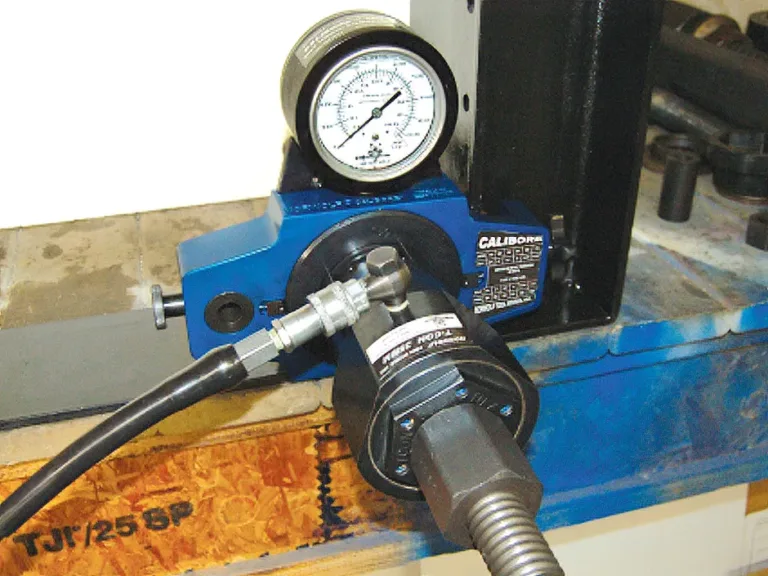
Pullout testing of grouted and epoxied rebar with center-hole jacks, rebar grips and calibrated gauges.
CALL US NOW! 866-522-5464
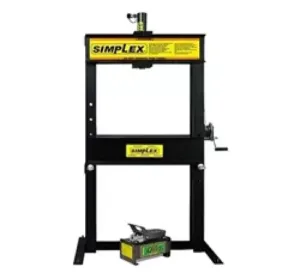
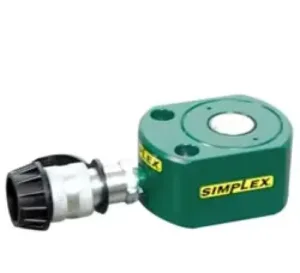
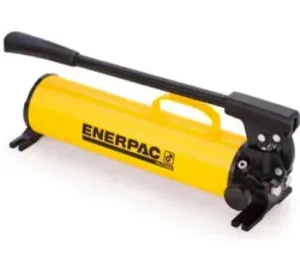
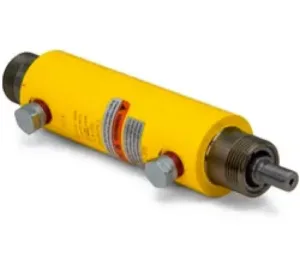
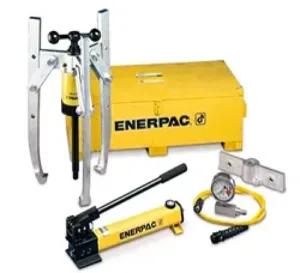
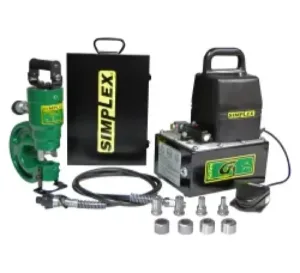
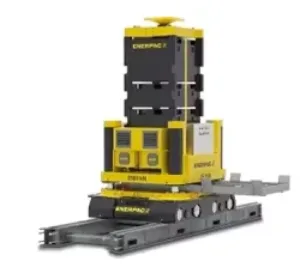
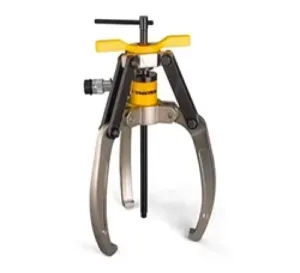
WHAT IS REBAR PULL OUT TESTING?
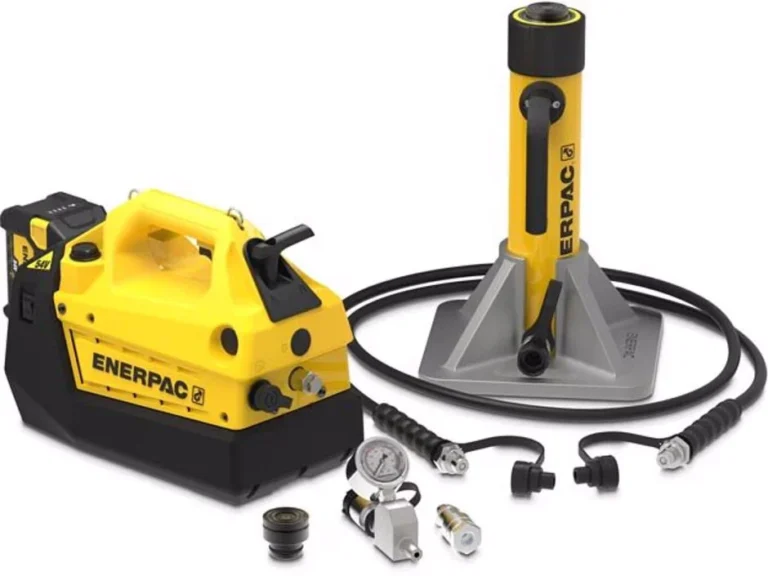
Rebar pull out testing checks that reinforcing bars bonded into concrete with grout or epoxy can resist the tension load the design requires. A center-hole hydraulic jack and quick-acting rebar grip are slipped over the bar, the jack bears on the concrete through a reaction chair, and the bar is pulled to a specified proof load while the load and movement are recorded. The test confirms installation quality for dowels, anchors and post-installed reinforcement on highway, bridge, tunnel and building projects.
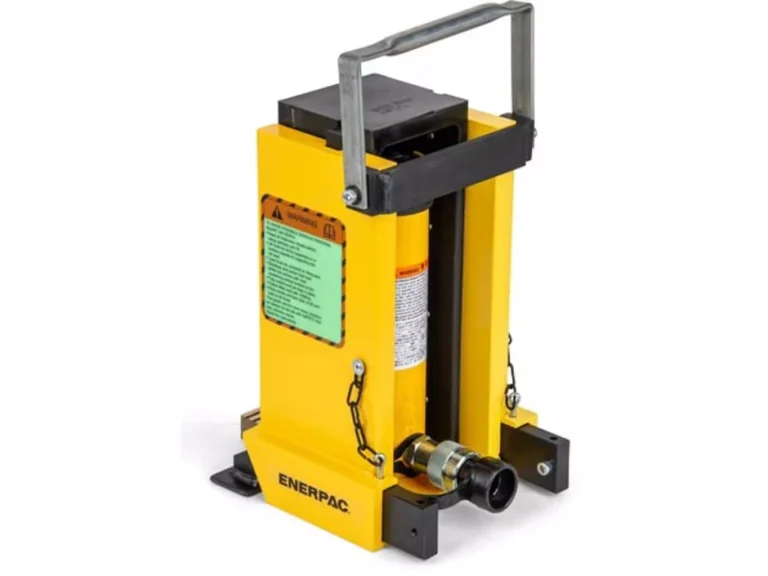
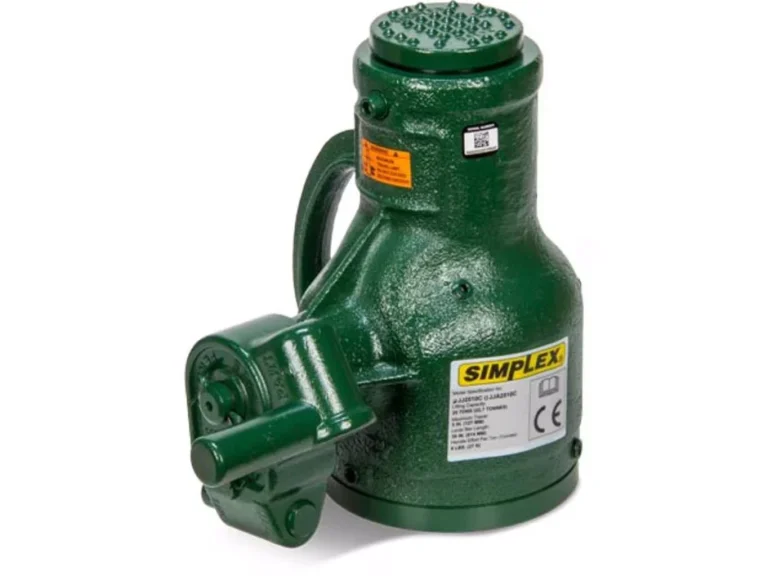
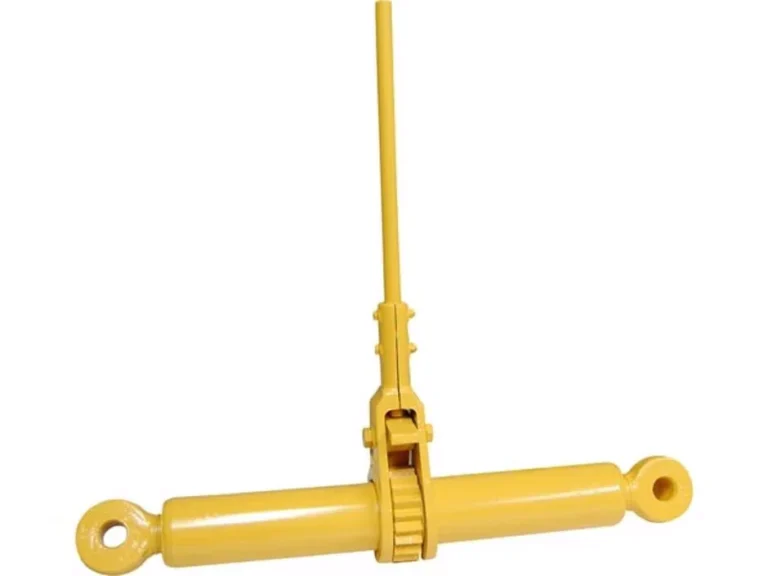
REBAR PULL OUT TESTING
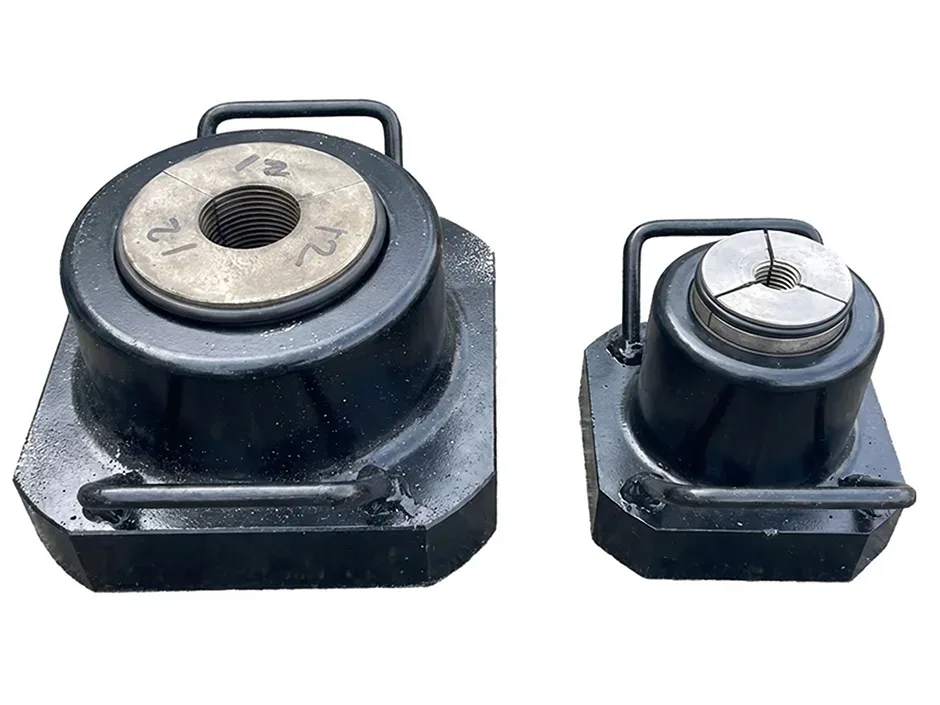
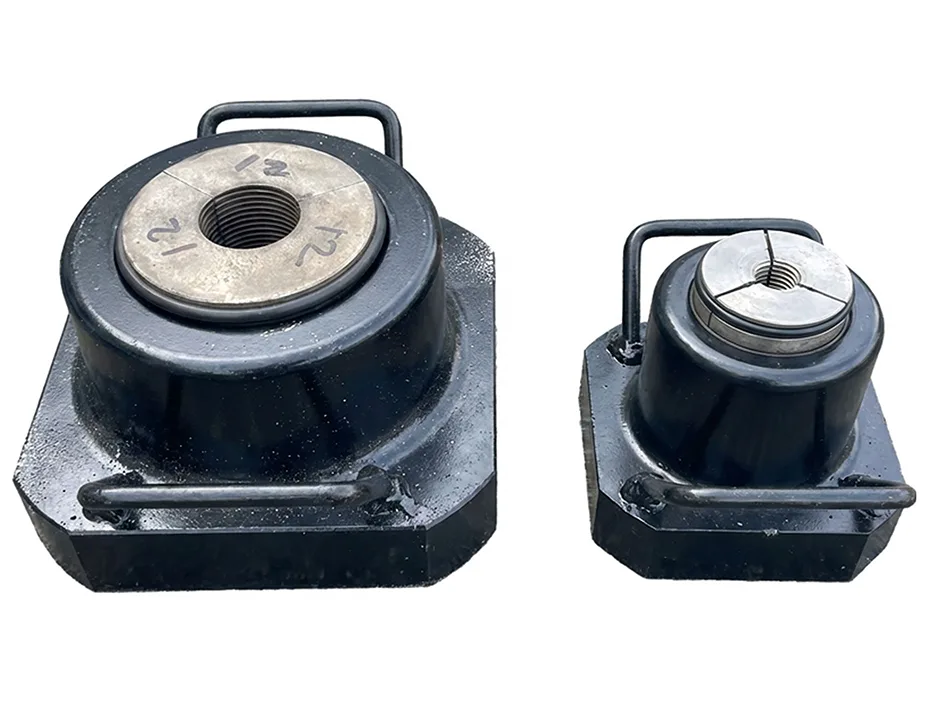
Rebar Grips
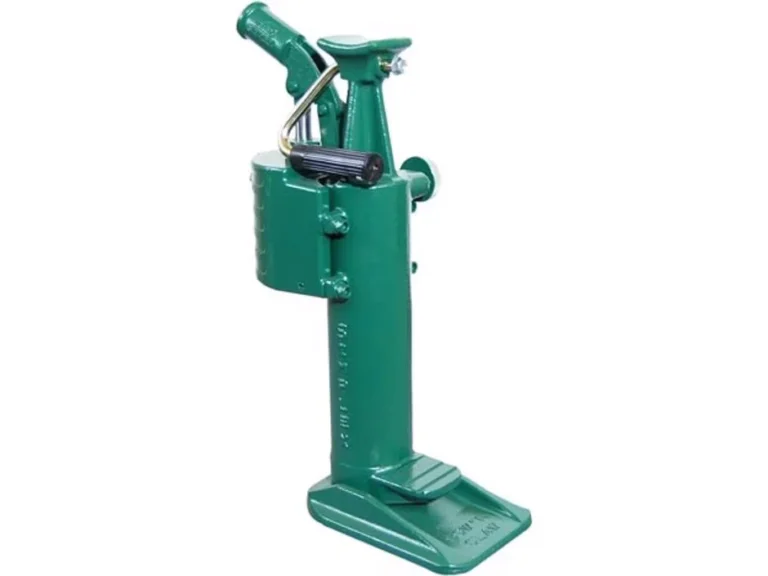
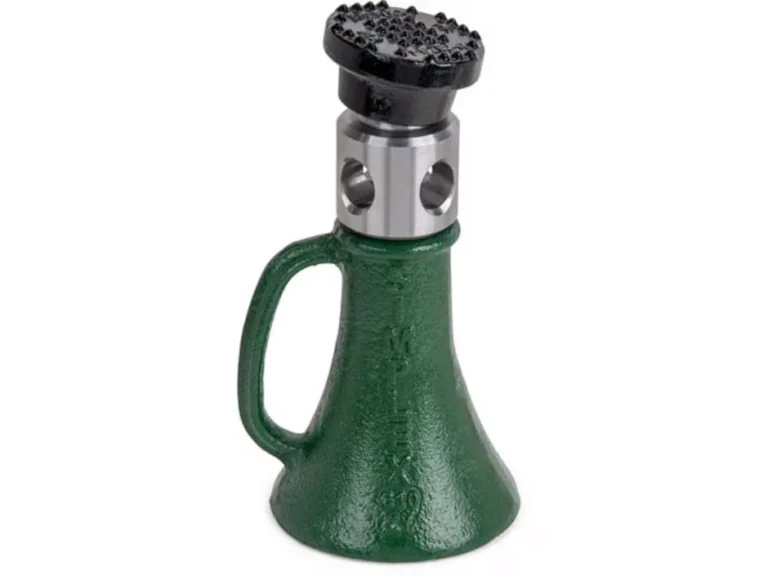
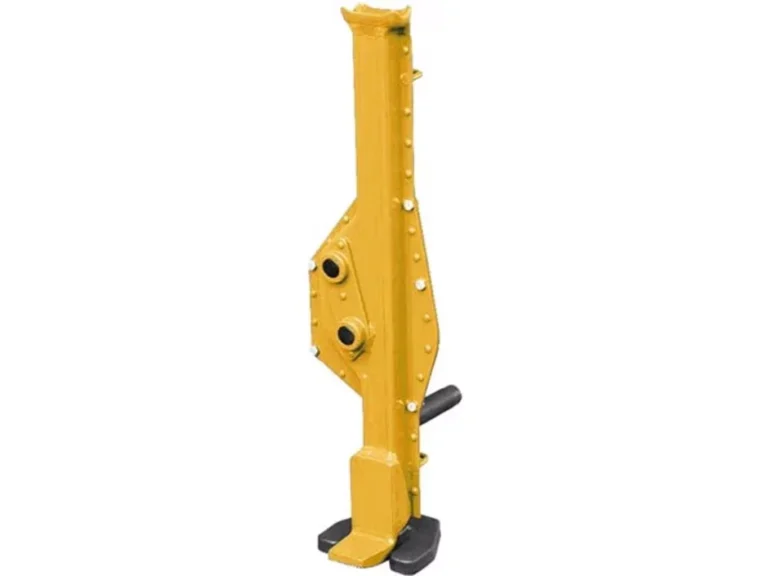
REBAR PULL OUT TESTING
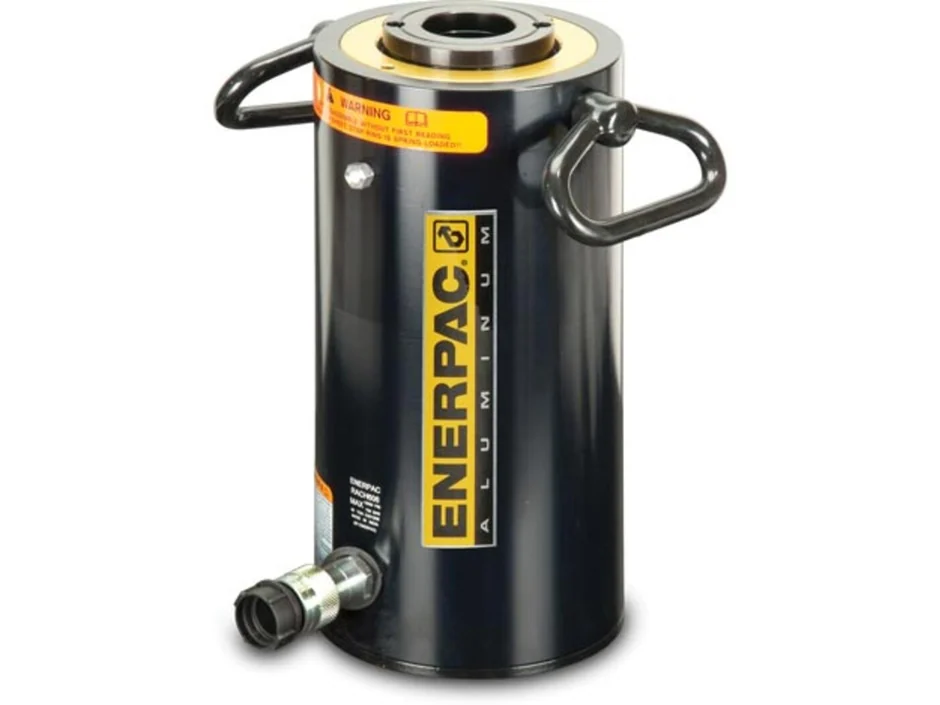
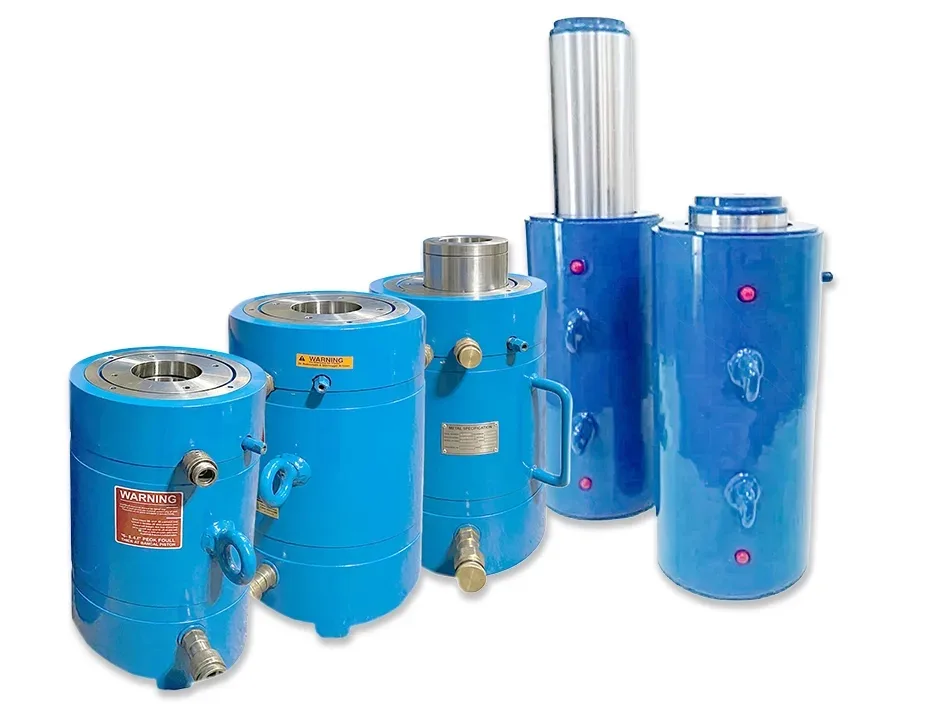
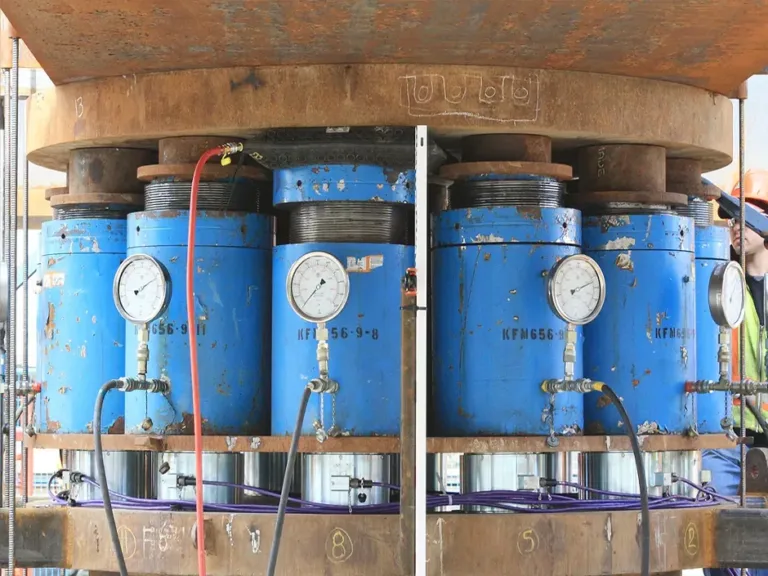
Center-Hole Jack
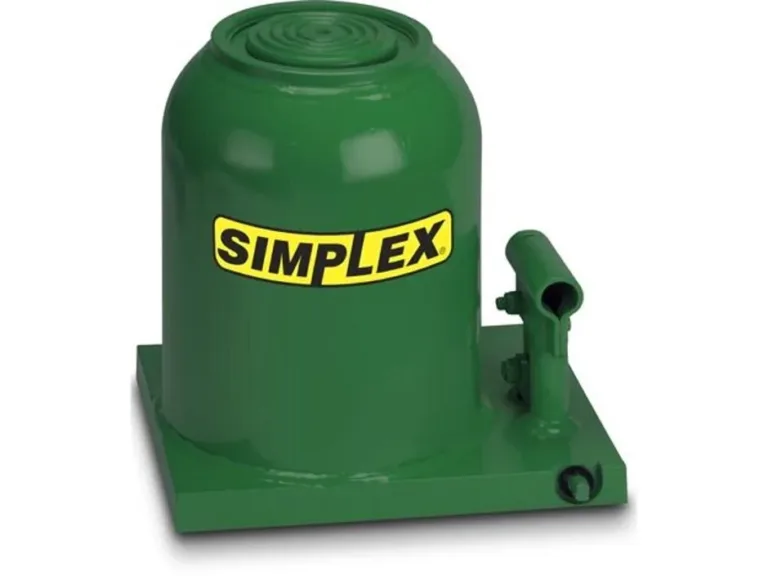
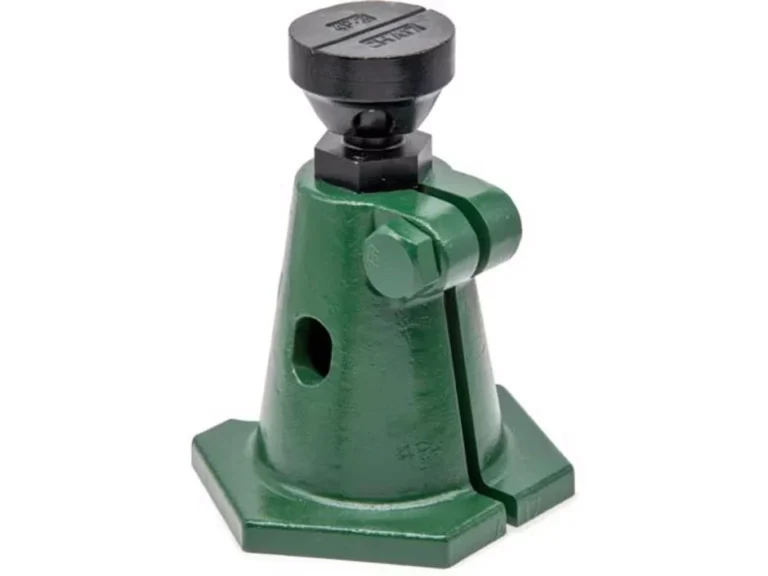
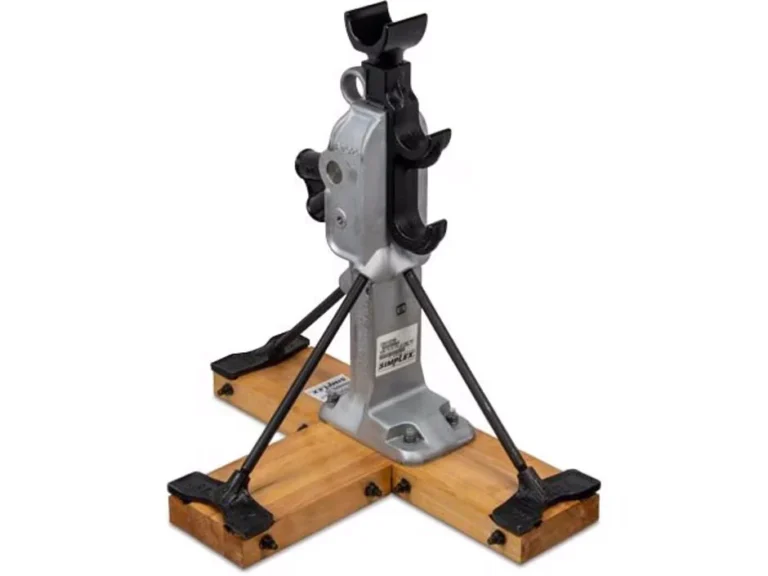
REBAR PULL OUT TESTING
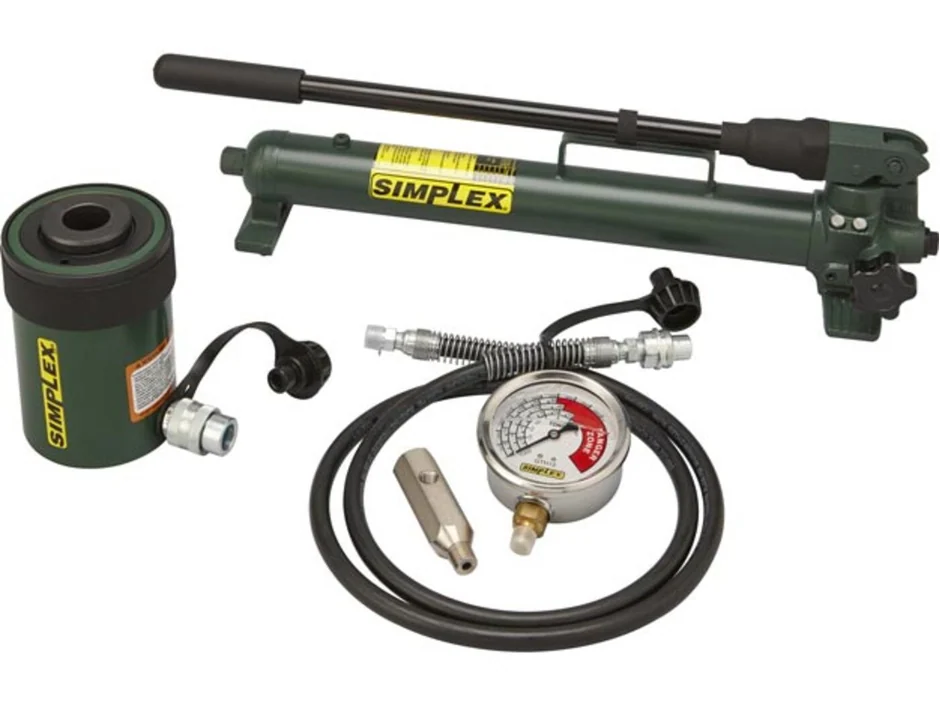
Pullout Test Kit
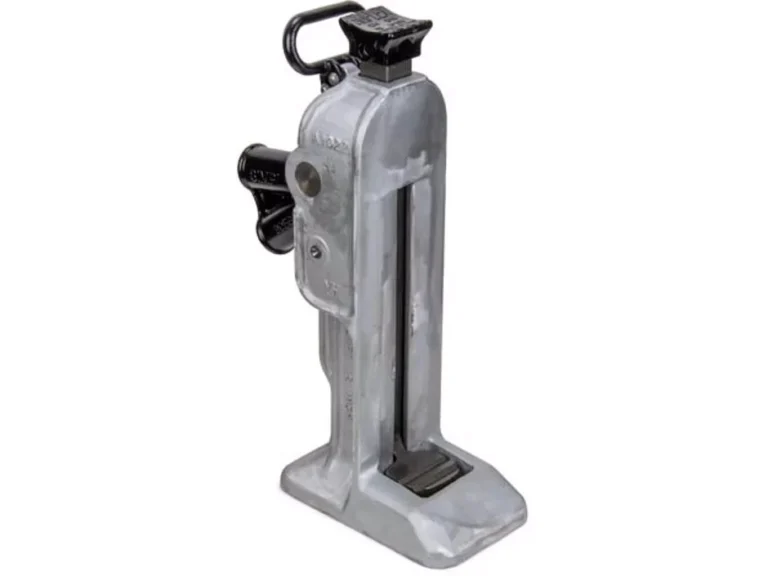
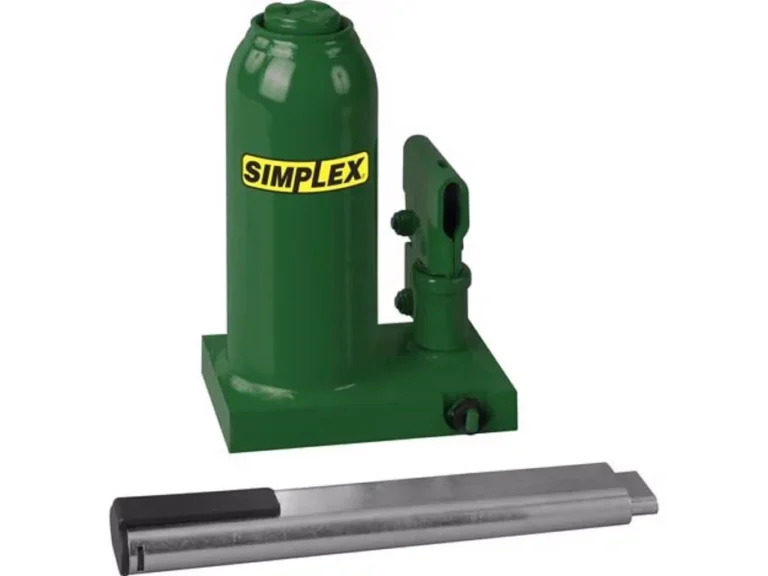
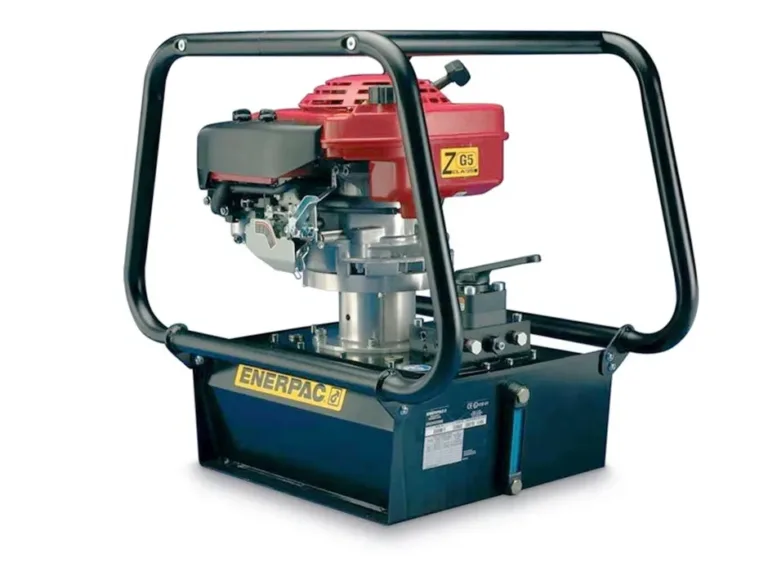
REBAR PULL OUT TESTING
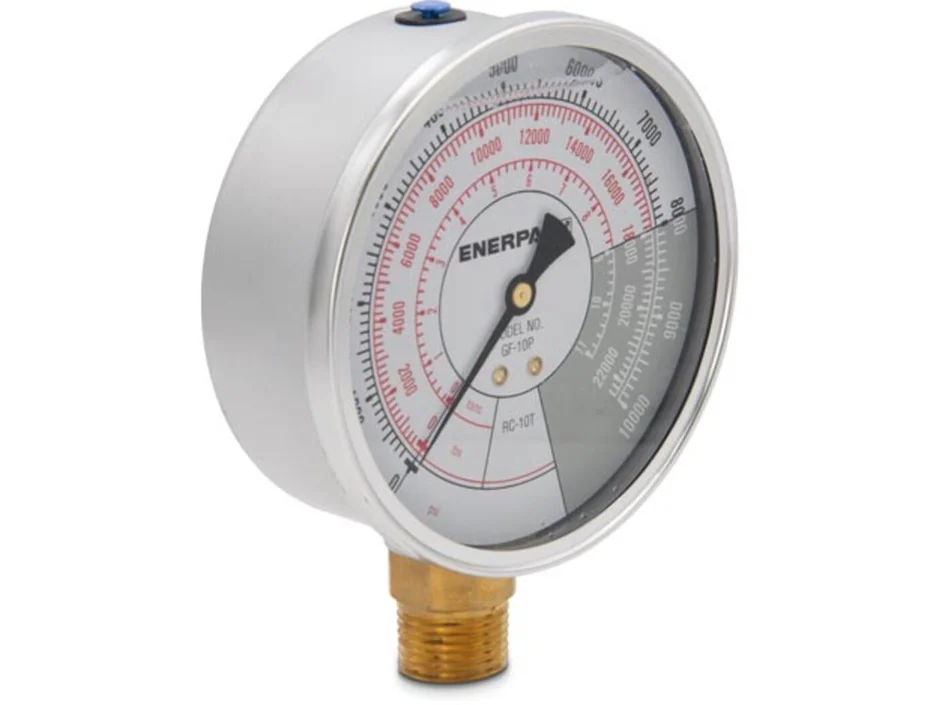
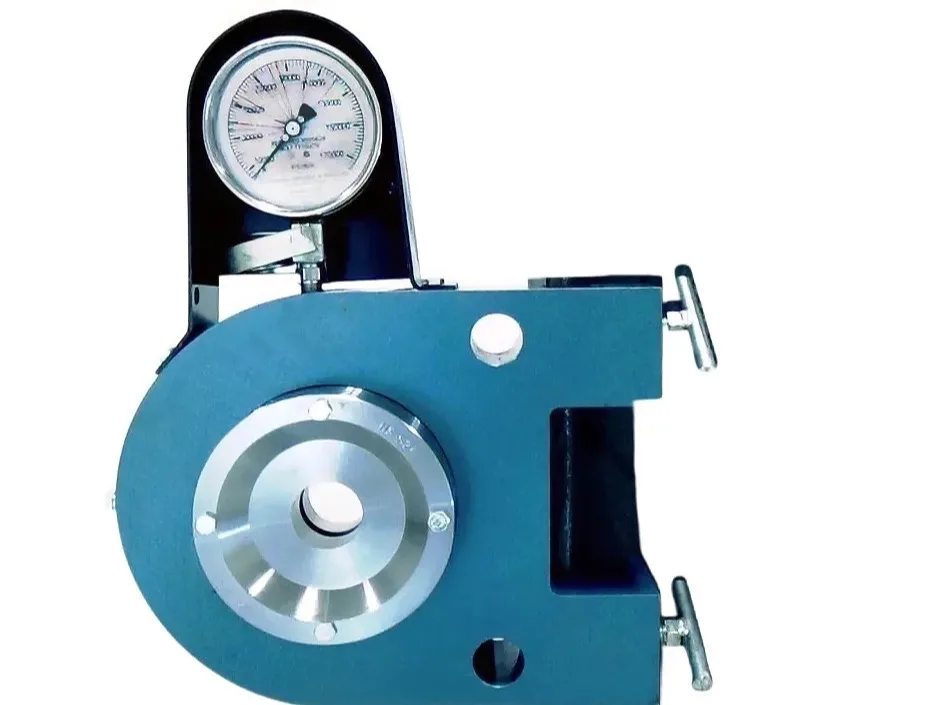
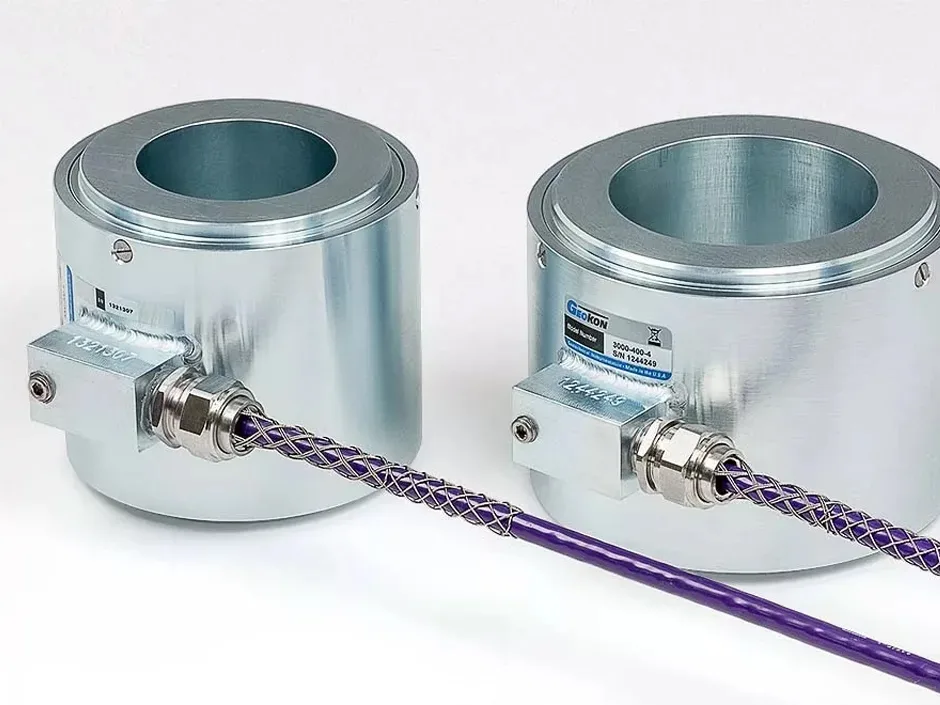
Gauge & Load Cell
RENTALS
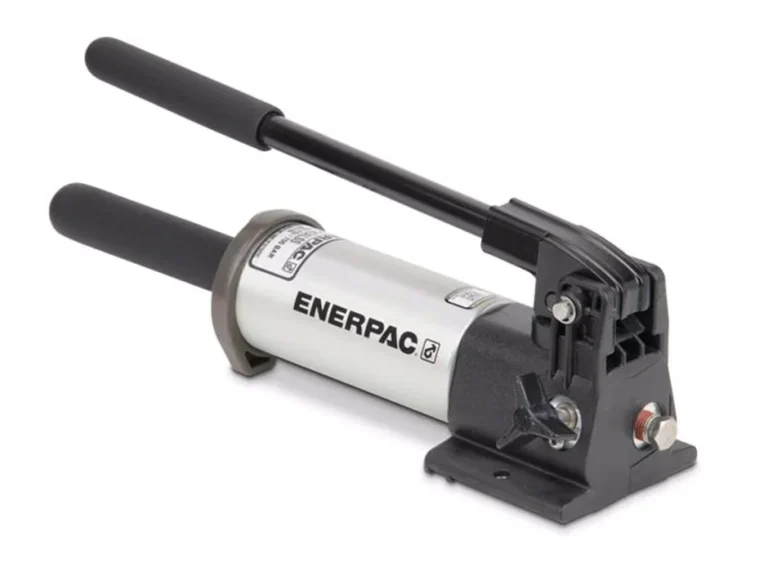
Rent complete rebar pull out test kits: rebar grips, center-hole jack, hand pump and calibrated gauge.
Kits are matched to your bar sizes and the test loads in your specification.
SALES
WB Equipment sells rebar grips, center-hole jacks, pumps and gauges for testing crews and inspection firms.
We can supply a complete kit or individual parts to complete your existing equipment.
SERVICE
We calibrate the jack and gauge used for pull out tests and supply a certificate for each set.
Grips and wedges are inspected, and worn wedges are replaced before the kit goes back out.
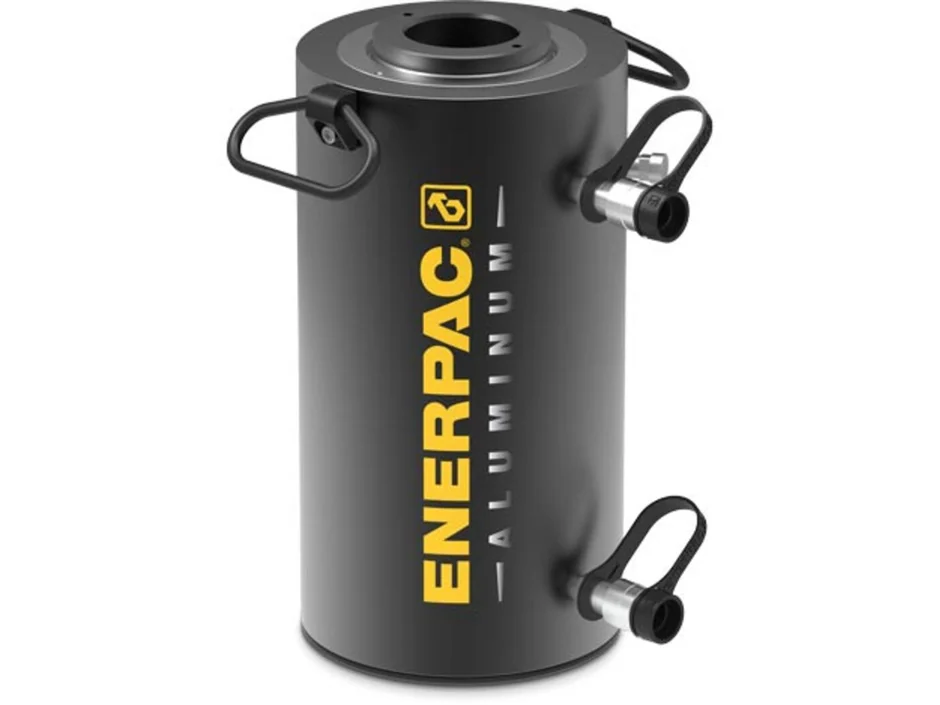
Rebar Pull Out Testing
"Power Under Pressure:
Rebar Pull Out Testing from WB Equipment Corp."
Fast Setup:
Slide the jack and grip over the bar, no threading or welding needed.
Bars #4 to #18:
Grips matched to every common reinforcing bar size.
Accurate Loads:
Calibrated gauges and load cells traceable to NIST.
Up to 1,500 Tons:
Center-hole jack systems for small dowels to large anchors. [1]
OTHER PRODUCTS AVAILABLE FOR RENTAL
~ WITH REBAR PULL OUT TESTING ~
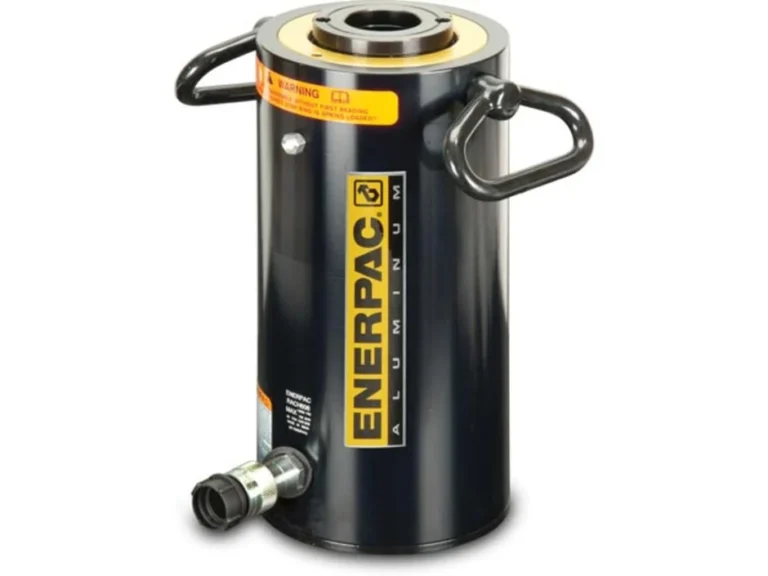
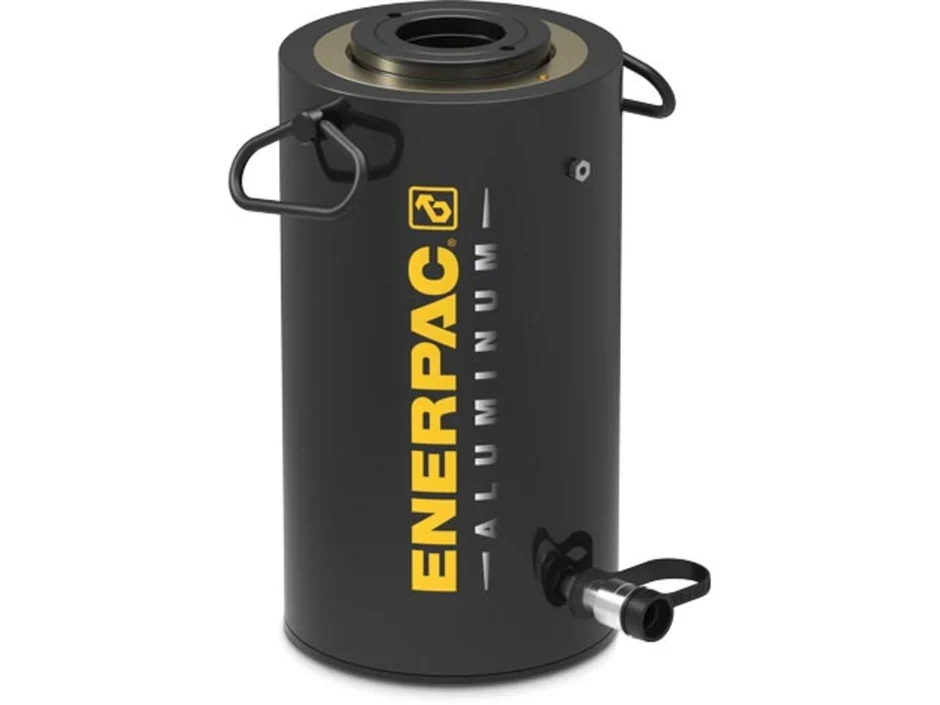
RACH1506, 175 ton Capacity, 5.91 in Stroke, Aluminum Hollow Plunger Hydraulic Cylinder
RENT NOW!Product code: RACH1506
Capacity: 150 ton
Stroke Length: 5.91 in
Collapsed Height: 16.93 in
Maximum Operating Pressure: 10000 psi
Action type: Single acting
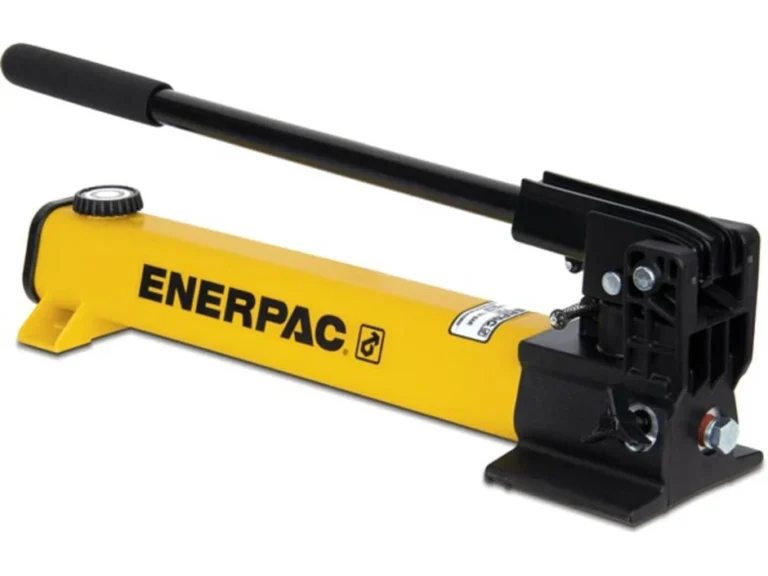
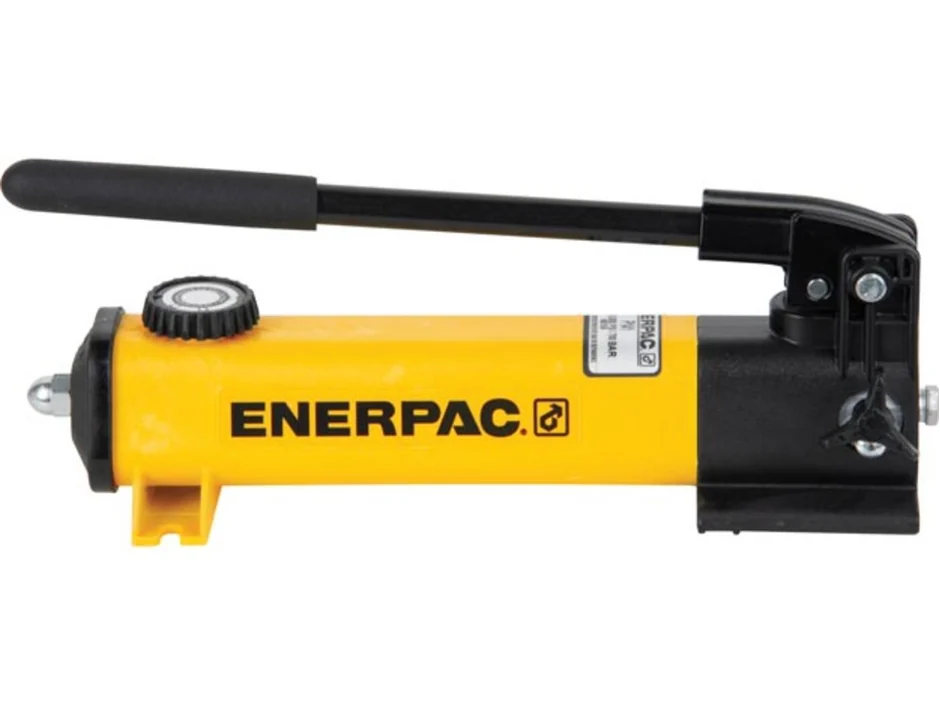
P391, Single Speed, Lightweight Hydraulic Hand Pump, 55 in3 Usable Oil
RENT NOW!Product code: P391
Maximum Operating Pressure: 10000 psi
Usable Oil Capacity: 55 in3
Reservoir Capacity: 55 in3
Power Source: Manual
Weight: 9 lbs
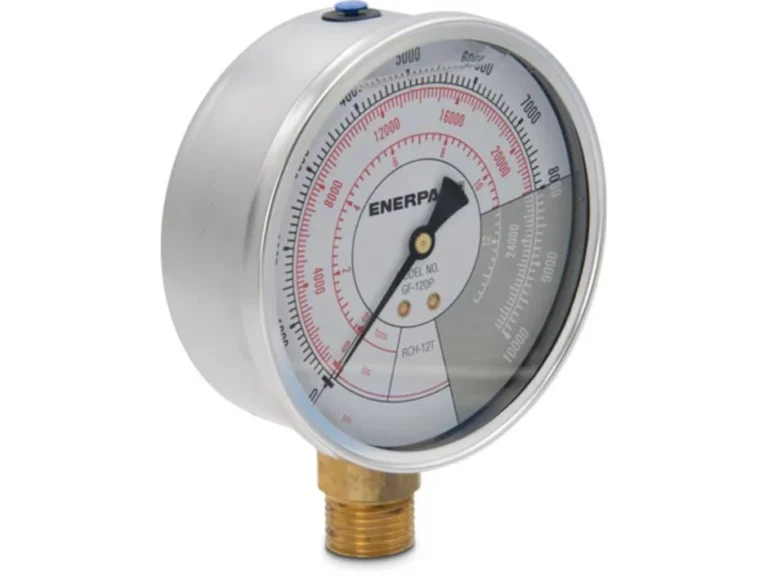
GF120P, Hydraulic Force and Pressure Gauge, Imperial Scale, for use with 12 ton Cylinders
RENT NOW!Product code: GF120P
Force: 0 - 13.5 imperial tons
Face Diameter: 4 in
Cylinder Series Compatibility: RCH, QDH, RWH
Scale: Imperial
Thread: 1/2 NPTF
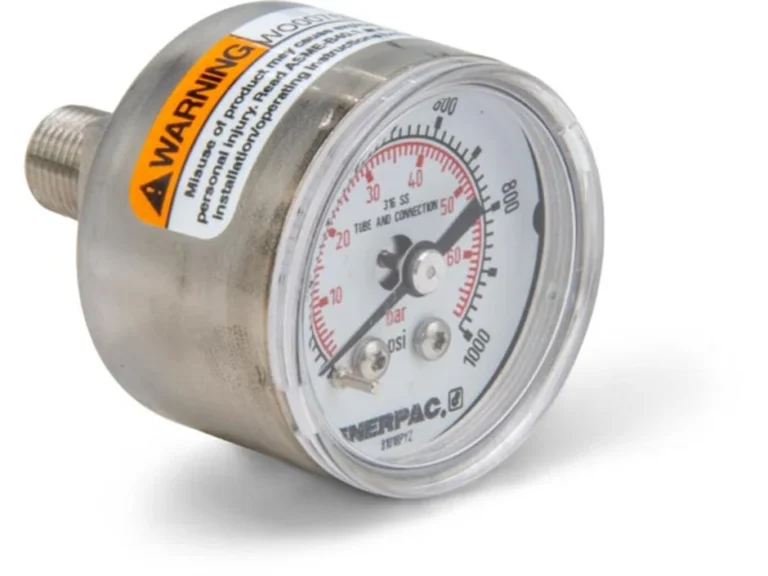
1531R, Hydraulic Pressure Gauge, 1.5 in. Face, Rear Mount, 1,000 maximum psi
RENT NOW!Product code: 1531R
Mount: Rear Mount
Major Graduation: 100 psi
Style: Dry
Minor Graduation: 20 psi
Brand: Enerpac
WB Equipment Product & Services Catalog
Select Your Requirements from Popular Categories
Popular Categories
Enerpac & Simplex - Hydraulic Cylinders
Enerpac Cylinders
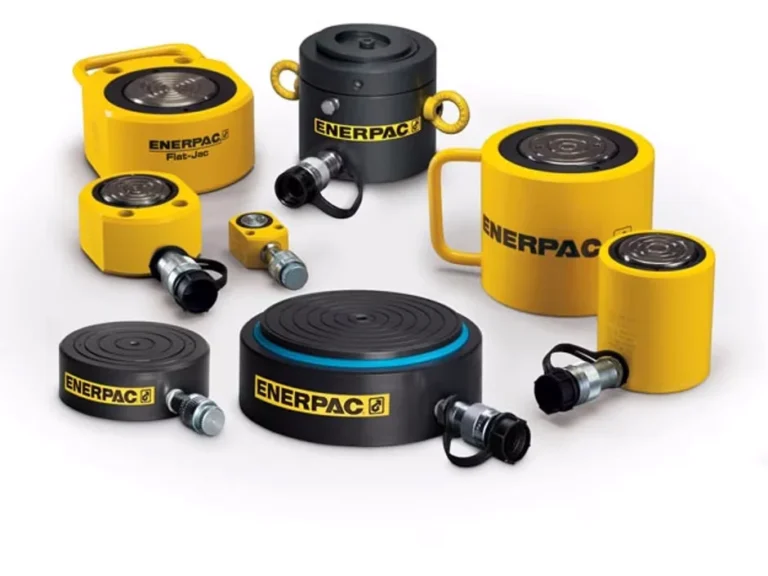
Low-Height Cylinders
Low-profile cylinders designed for low clearance applications
Capacity: 5 – 1,000 tons
Stroke: 0.24 – 2.44 in
Collapsed Height: 1.08 – 7.56 in
Enerpac Cylinders
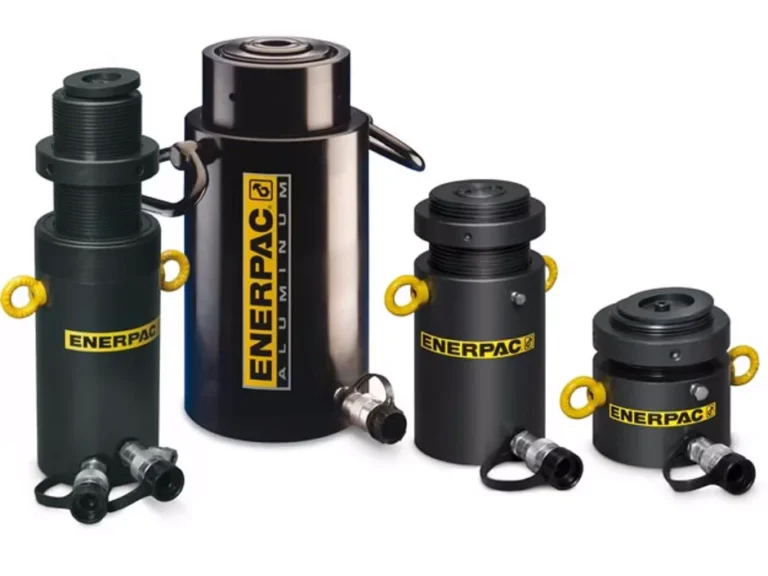
Lock Nut Cylinders
Mechanically locking cylinders for safely holding a load
Capacity: 20 – 1,000 tons
Stroke: 1.77 – 11.81 in
Collapsed Height: 4.94 – 28.90 in
Enerpac Cylinders
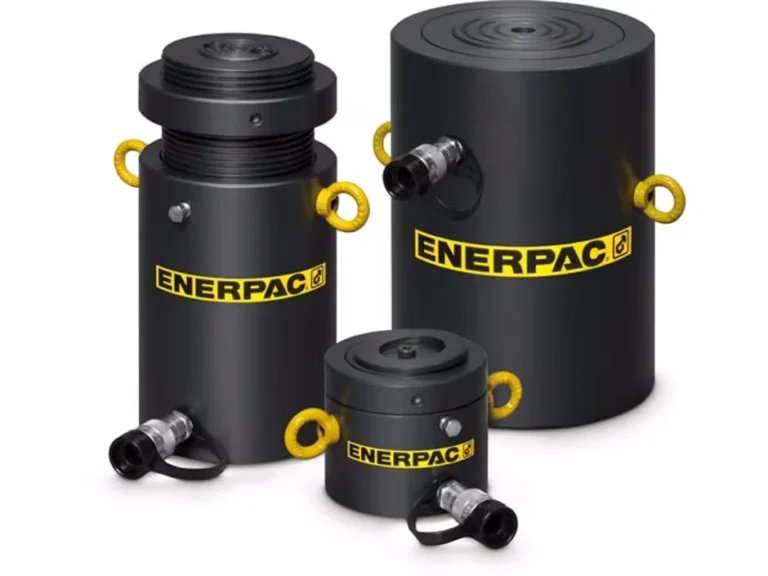
High Tonnage Cylinders
Cylinders with the highest quality construction for enhanced durability
Capacity: 50 – 1,000 tons
Stroke: 1.97 – 11.81 in
Collapsed Height: 5.91 – 28.90 in
Enerpac Cylinders
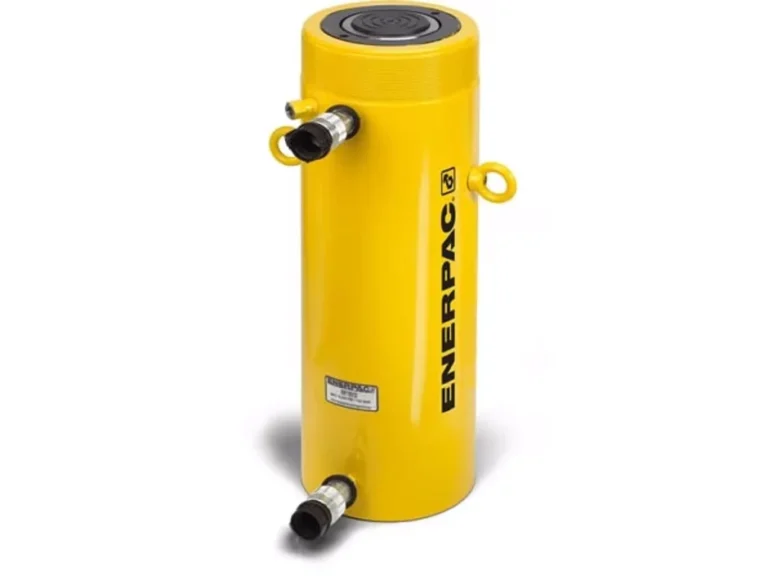
Double-Acting Cylinders
Precise control and speed: the plunger advances and retracts hydraulically
Capacity: 4 – 1,000 tons
Stroke: 1.13 – 48 in
Collapsed Height: 7.19 – 64.75 in
Simplex Cylinders
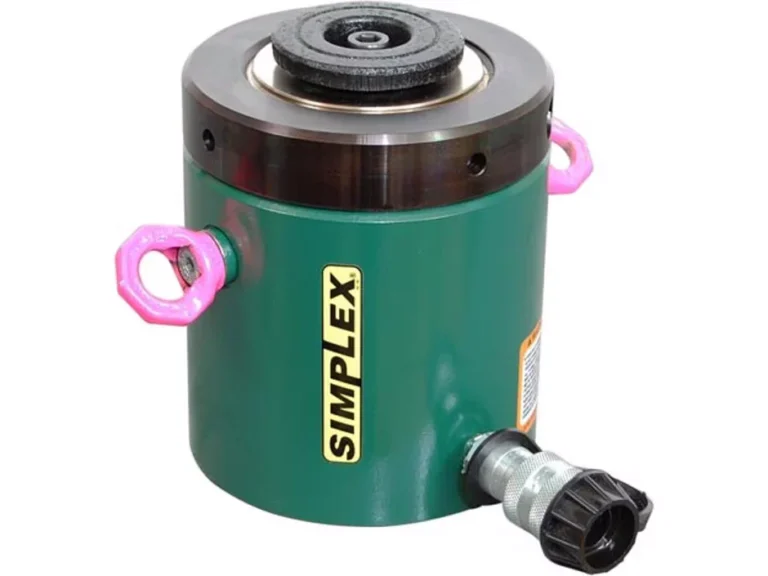
Lock Nut Cylinders
Lock nut cylinders for extended, mechanically locked load holding
Capacity: 34 – 575 tons
Stroke: 1.77 – 11.81 in
Simplex Cylinders
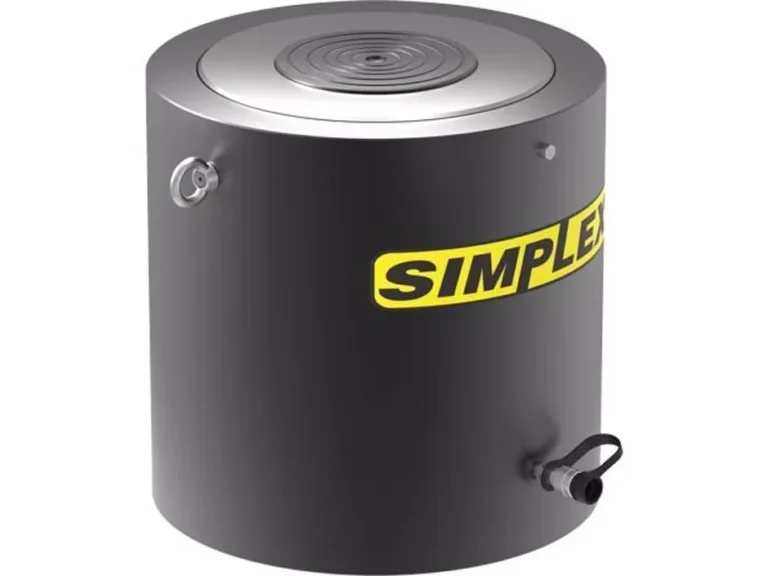
High Tonnage Cylinders
Heavy-duty single- and double-acting cylinders, with lock nut options
Capacity: Up to the 1,000-ton class
Stroke: 1.77 – 11.81 in
Simplex Cylinders
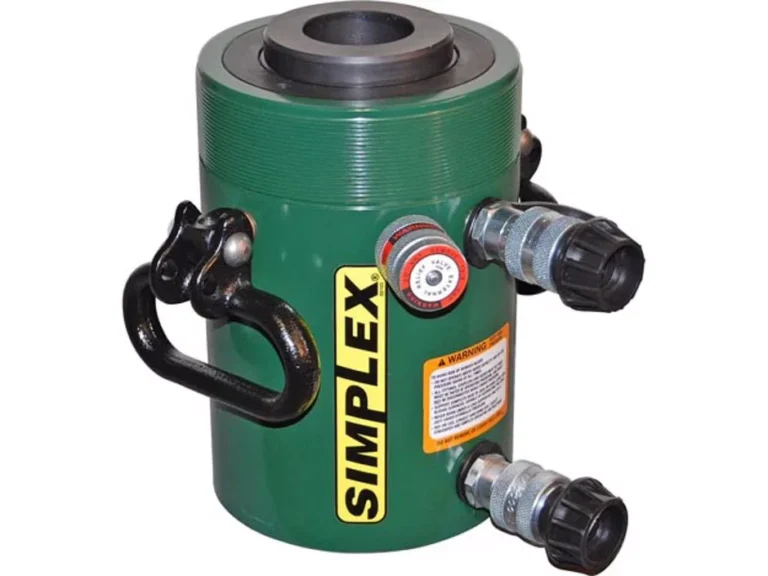
Center-Hole Cylinders
Single- and double-acting cylinders with a center tube for pulling and tensioning with a rod or cable
Capacity: 12 – 646 tons
Stroke: 0.31 – 10.12 in
Simplex Cylinders
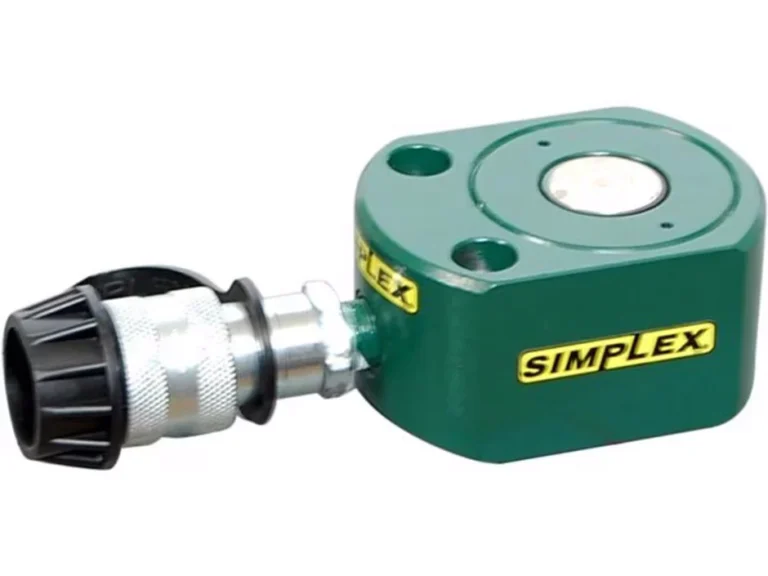
Low Height Cylinders
Compact, low height cylinders for tight spaces
Capacity: 10 – 150 tons
Stroke: 0.44 – 2.44 in
Enerpac Cylinders
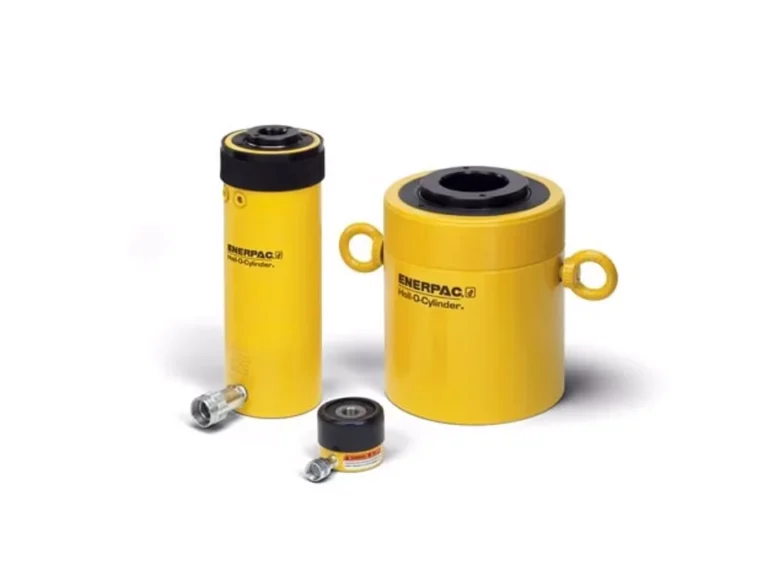
Hollow Plunger Cylinders
Hollow bore cylinders for pulling and tensioning with a bar or cable
Capacity: 12 – 660 tons
Stroke: 0.31 – 10.13 in
Center Hole Diameter: 0.68 – 5.31 in
Enerpac Cylinders
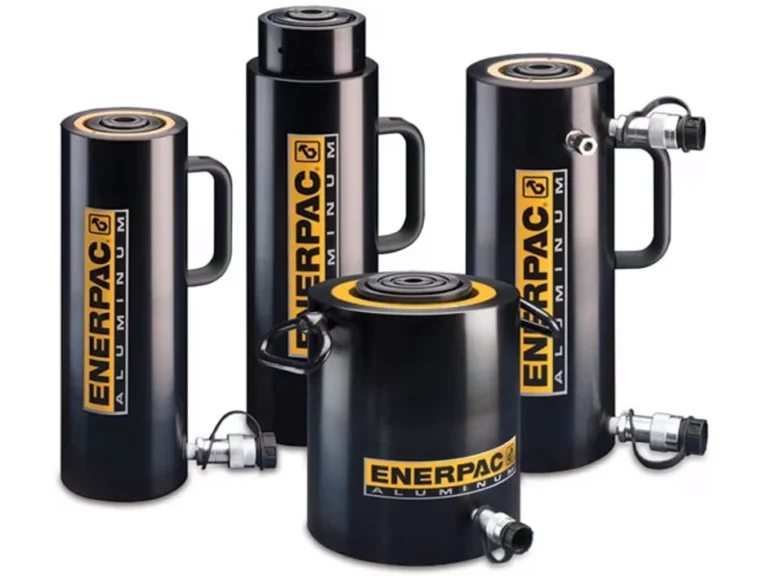
Lightweight Cylinders
Durable aluminum cylinders for applications where weight is a factor
Capacity: 10 – 150 tons
Stroke: 1.97 – 9.84 in
Collapsed Height: 6.06 – 20.59 in
Enerpac Cylinders
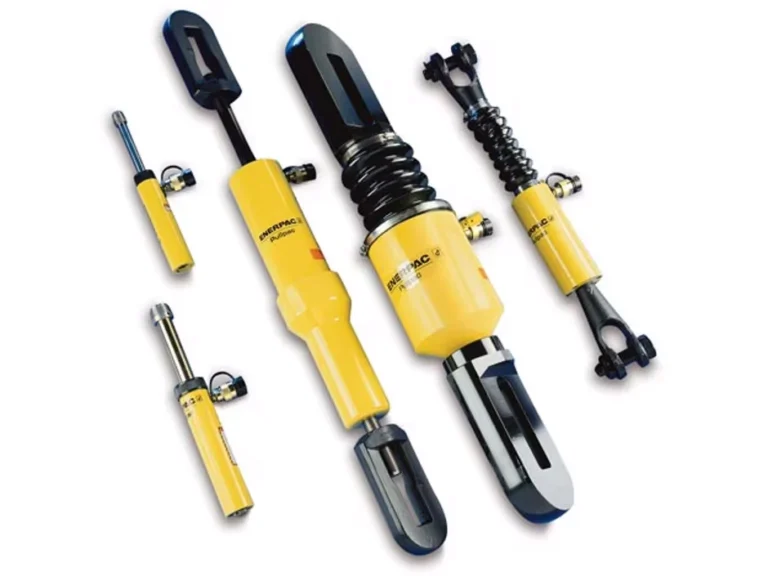
Pull Cylinders
Cylinders designed for pulling objects together or apart
Capacity: 2.5 – 60 tons
Stroke: 5.00 – 6.02 in
Collapsed Height: 10.44 – 43.71 in
Enerpac Cylinders
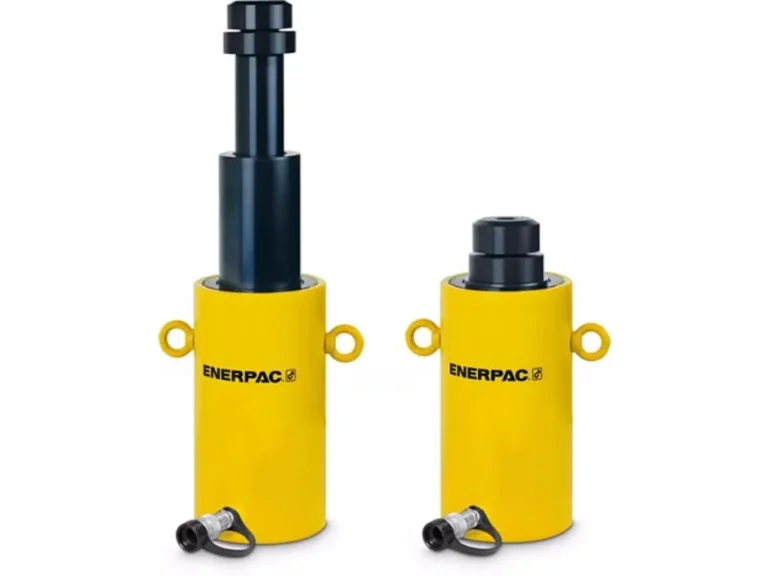
Telescopic Cylinders
Multi-stage cylinders designed for extended lift heights
Capacity: 5 – 75 tons
Stroke: 0.67 – 23.62 in
Collapsed Height: 1.77 – 18.74 in
Simplex Cylinders
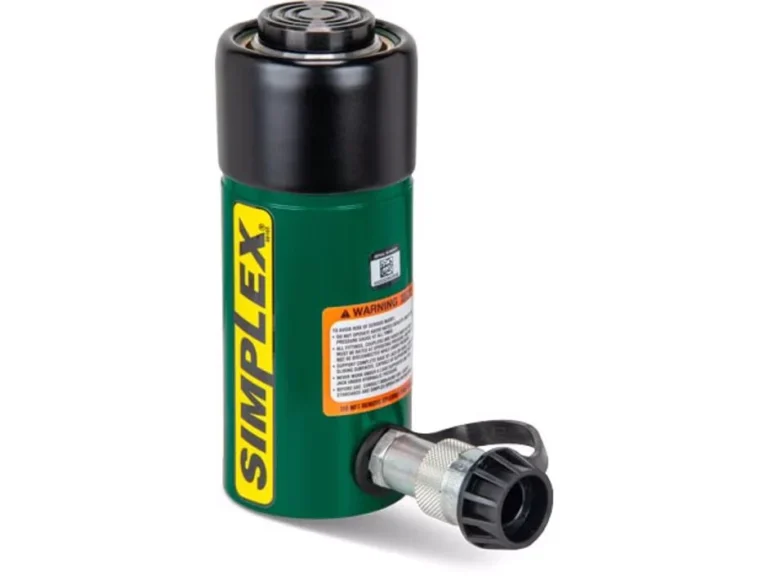
General Purpose Cylinders
General purpose cylinders built to ANSI/ASME B30.1, rated 10,000 psi
Capacity: 5 – 150 tons
Stroke: 0.62 – 24 in
Simplex Cylinders
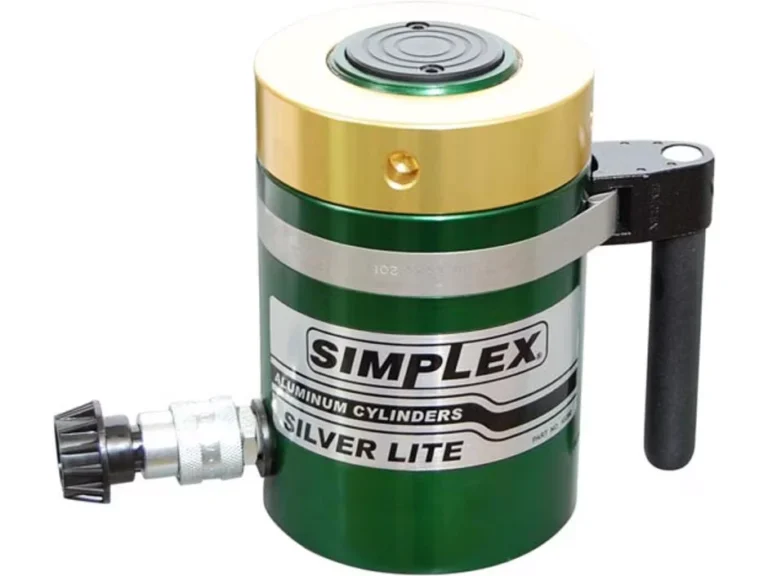
Aluminum Cylinders
Lightweight aluminum cylinders, including spring return, lock nut and center hole models
Capacity: 30 – 150 tons
Stroke: 2 – 10 in
Simplex Cylinders
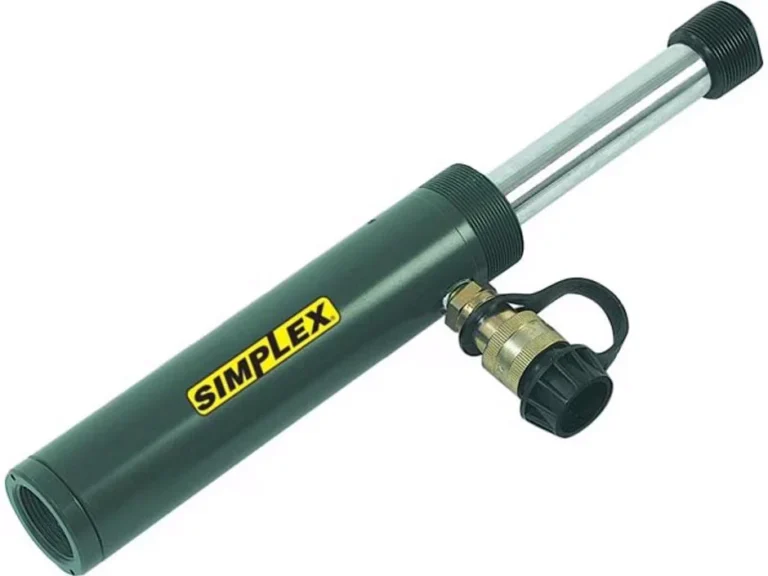
Pull Cylinders
Single- and double-acting pull cylinders
Capacity: 2 – 100 tons
Stroke: 5 – 6 in
Simplex Cylinders
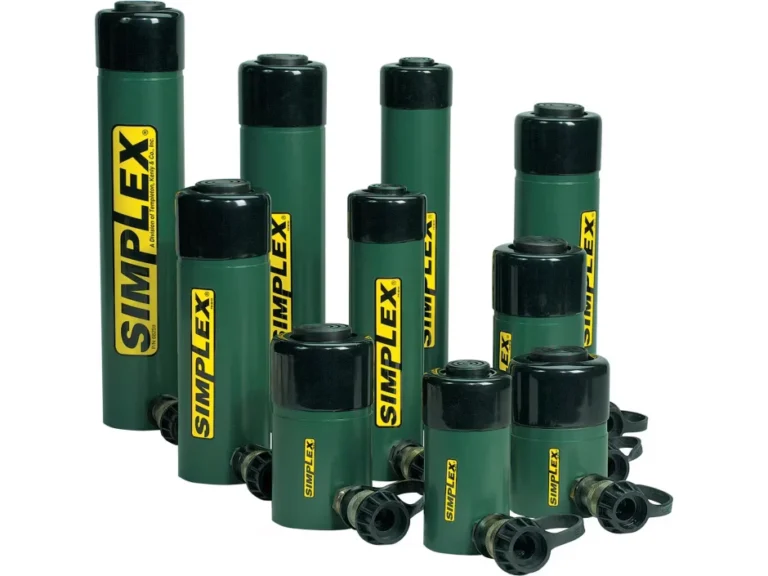
Cylinder Tonnages
The full Simplex cylinder range, sorted by tonnage
Capacity Class: 2 – 1,000 tons
Max Pressure: 10,000 psi
Enerpac Cylinders
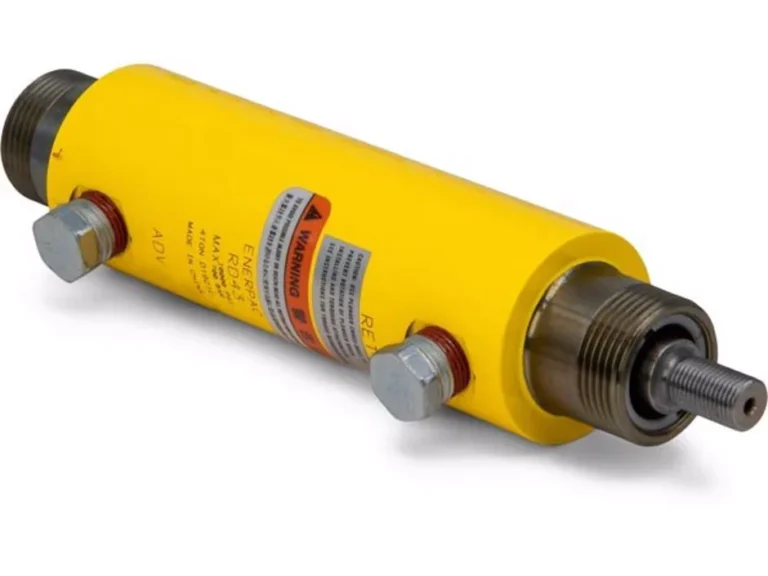
Production Cylinders
High cycle cylinders compatible with mounting attachments to simplify fixturing
Capacity: 4 – 25 tons
Stroke: 1.13 – 10.25 in
Collapsed Height: 7.31 – 20.69 in
Enerpac Cylinders
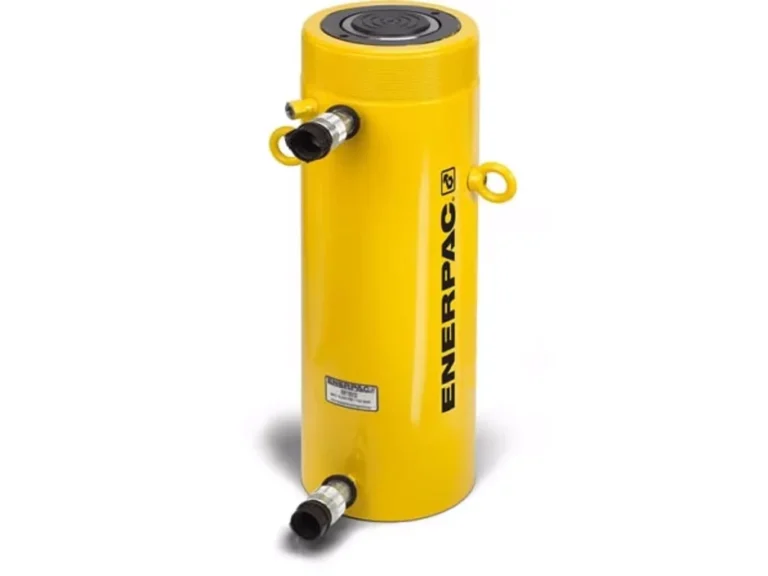
Long Stroke Cylinders
12 to 48 in stroke cylinders designed for extended lift heights
Capacity: 10 – 1,000 tons
Stroke: 12 – 48 in
Collapsed Height: 12.48 – 64.75 in
Enerpac Cylinders
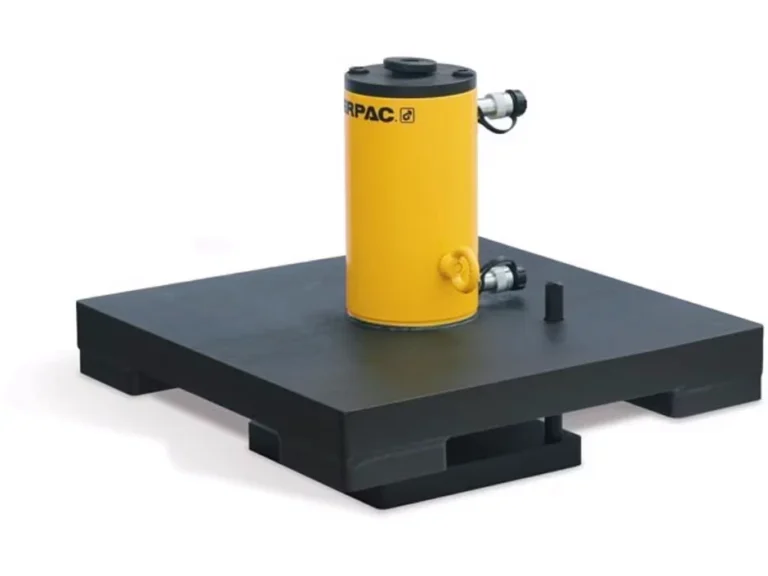
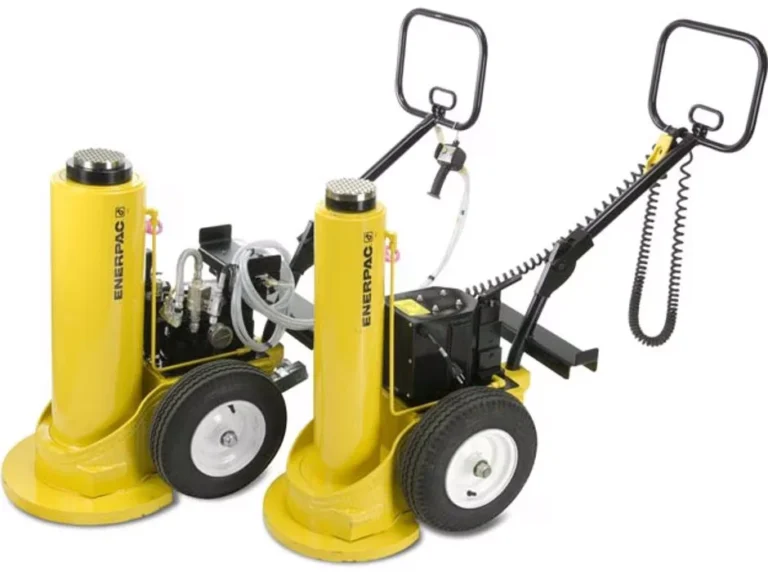
Climbing Jacks
Designed for incremental lifting and lowering with cribbing
Capacity: 55 – 220 tons
Stroke: 5.91 – 6.34 in
Enerpac Cylinders
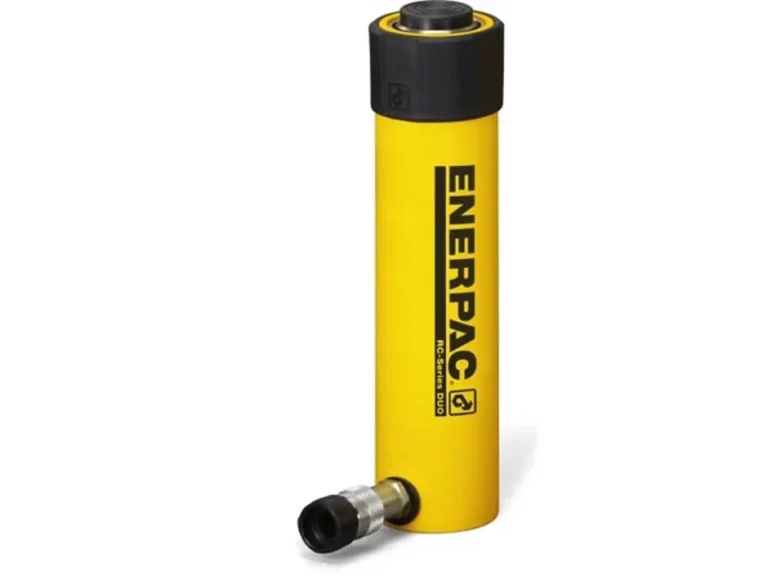
Single-Acting Cylinders
Simple operation: the plunger advances hydraulically in one direction
Capacity: 2.5 – 1,000 tons
Stroke: 0.24 – 23.62 in
Collapsed Height: 1.08 – 43.71 in
Enerpac Cylinders
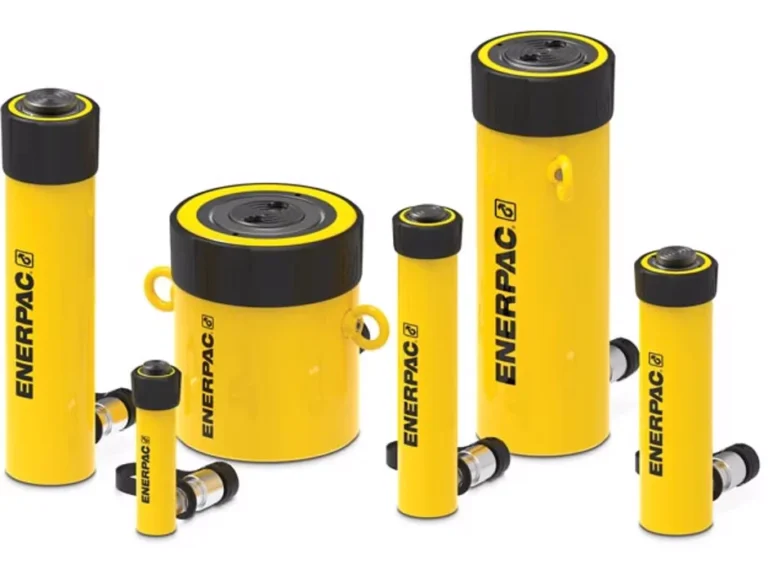
General Purpose Cylinders
Versatile steel cylinders designed for a wide range of applications
Capacity: 5 – 500 tons
Stroke: 0.63 – 48.00 in
Collapsed Height: 1.63 – 64.75 in
Enerpac Cylinders
Cylinder Tonnage
Enerpac cylinders categorized by tonnage
Capacity: 2.5 – 1,000 tons
Stroke: 0.24 – 48.00 in
Collapsed Height: 1.08 – 64.75 in
Custom Cylinders
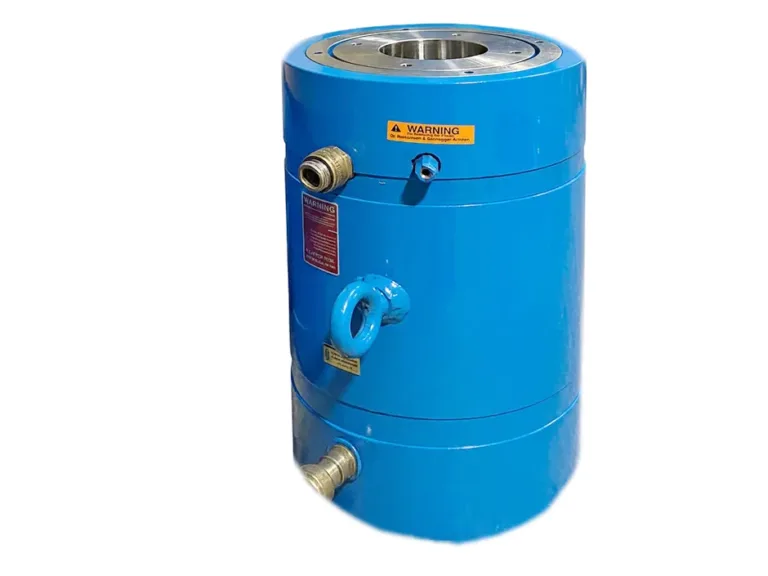
Center-Hole Cylinders
Center-hole cylinders designed and built by WB Equipment to your required capacity, stroke and hole size. Call our engineers to discuss your application.
VIEW PRODUCTSEnerpac Cylinders
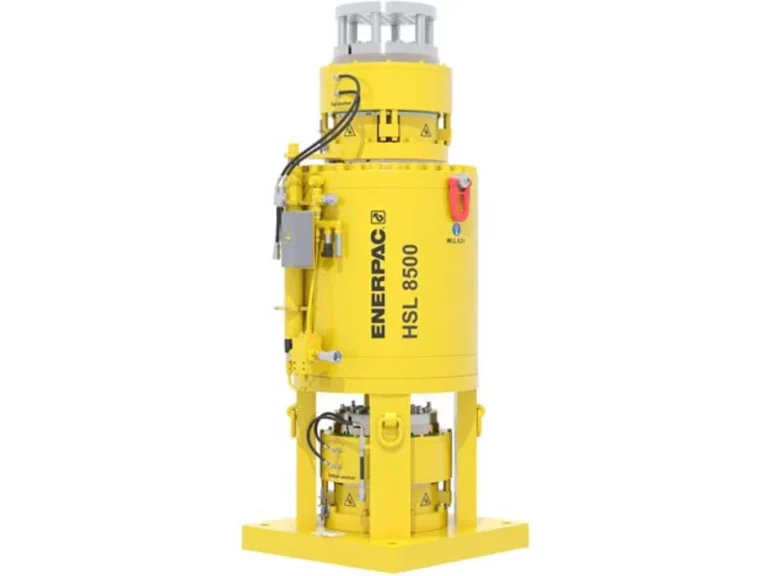
Strand Jacks
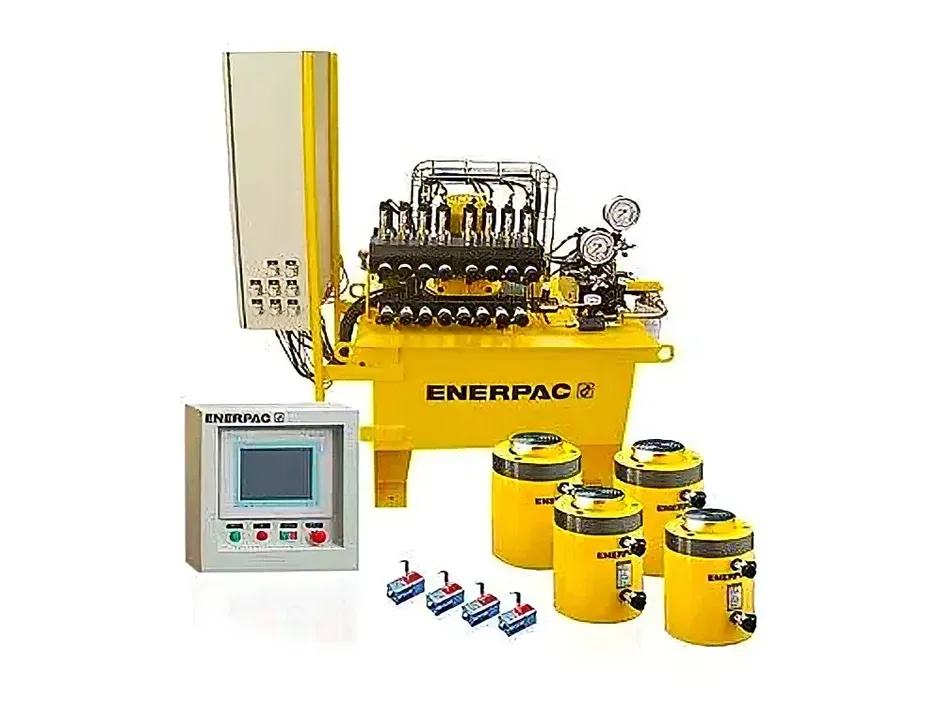
Computer-controlled strand jacks for lifting and lowering very heavy loads
Capacity: 17 – 1,405 tons
Stroke: 9.8 – 23.6 in
Max Pressure: 5,000 psi


REBAR PULL OUT TEST SPECIFICATIONS
📘 What Is Rebar Pull Out Testing?
Concrete is strong in compression but weak in tension, so rebar is bonded into it to carry tensile forces. A pullout test proves that bond.
Post-installed bars are drilled and set in grout or epoxy. The test pulls each bar in tension to confirm the bond and embedment can carry the required load.
Tests are usually non-destructive proof tests to a set load, but they can be taken to failure to find ultimate bond strength.
⭐ Key Features & Benefits of Our Pullout Test Systems
Our rebar pullout test kits provide:
Quick-acting grips
Wedge grips that slide onto the bar in seconds.
Center-hole jacks
Bar passes through the jack for true axial pull.
Reaction chairs
Bridge the bar so the jack bears clear of the test zone.
Calibrated readings
Gauges and load cells traceable to NIST.
Portable pumps
Hand and battery pumps for remote locations.
Complete kits
Everything needed for testing in one case.
🔧 Equipment Used for Rebar Pull Out Testing
A typical pullout test kit includes:
• Rebar grip sized to the bar
• Center-hole hydraulic cylinder
• Reaction chair or bridge
• Hand or battery-powered pump
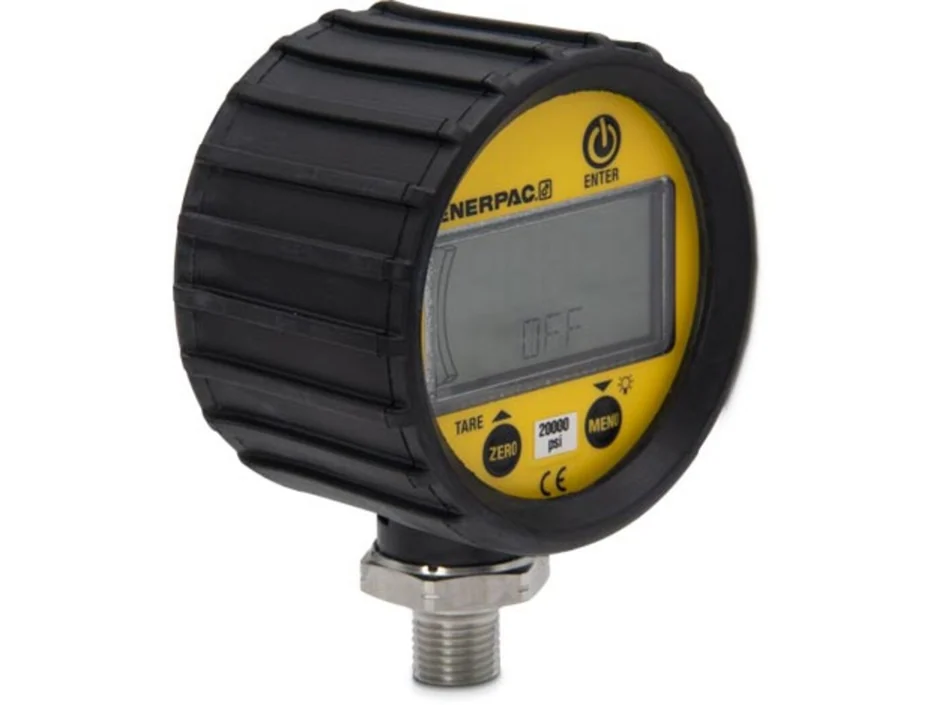
• Calibrated pressure gauge or load cell
• Dial indicator for bar movement
• Hoses, couplers and carrying case
🏗️ Common Applications for Rebar Pull Out Testing
Rebar pullout testing is commonly used for:
• Highway and bridge dowel bars
• Bridge deck and barrier retrofit bars
• Tunnel and retaining wall anchors
• Post-installed starter bars in buildings
• Seismic retrofit reinforcement
• Epoxy and grouted anchor verification
• DOT and owner quality control programs
📈 Advantages of Rebar Pull Out Testing
Testing installed rebar provides:
Verified bond
Proof that each bar meets the required load.
Installation quality check
Finds poor hole cleaning, voids or under-cured adhesive.
Compliance
Satisfies specifications and inspectors.
Documented results
Load and movement records for each bar.
Fast results
Many bars can be tested in a single shift.
⚠️ Rebar Pull Out Testing: What to Plan For
For reliable pullout tests, plan for:
• Test loads and acceptance criteria from the engineer
• Adequate cure time for grout or epoxy
• Enough exposed bar for the jack and grip
• Reaction chair spacing clear of the cone of concrete
• Correct grip and wedges for each bar size
• Allowing for wedge seating slip at first loading
• Keeping people clear of the bar line during loading
💡 Why Choose WB Equipment for Rebar Pull Out Testing?
One supplier
Grips, center-hole jacks, pumps and gauges from one source.
Engineering advice
Help choosing test equipment for your bar sizes and loads.
Rent or buy
Rent pullout test kits for a project or buy for ongoing QC.
Nationwide delivery
Equipment shipped to your jobsite, with overnight options.
🏭 Industries That Use Rebar Pull Out Testing
• Highway and bridge contractors
• Special inspection and testing agencies
• Concrete repair and retrofit contractors
• Tunnel and underground contractors
• Departments of transportation
• Structural engineers
• Adhesive anchor manufacturers
🧭 How to Choose Rebar Pull Out Test Equipment
Selecting the right equipment depends on:
• Bar sizes to be tested
• Required proof or ultimate test loads
• Center-hole size and jack capacity
• Reaction chair size and spacing
• Load cell or gauge accuracy needed
• Site access and pump power
WB Equipment can help select the right pullout test kit. Call 866-522-5464.
📋 What We Need to Quote Your Rebar Pull Out Test
To quote or recommend equipment, please send:
• Bar sizes and coatings
• Required test loads
• Number of bars to test
• Bonding material: grout or epoxy
• Access and exposed bar length
• Jobsite location and schedule
• Project specifications
Rebar Pull Out Test Kits for Rent or Sale
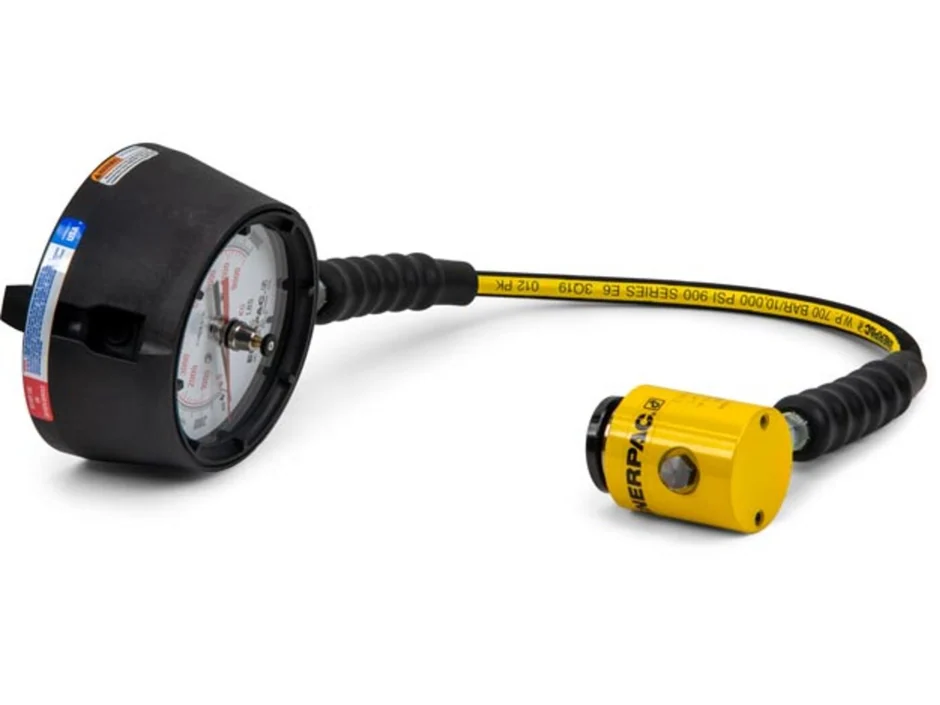
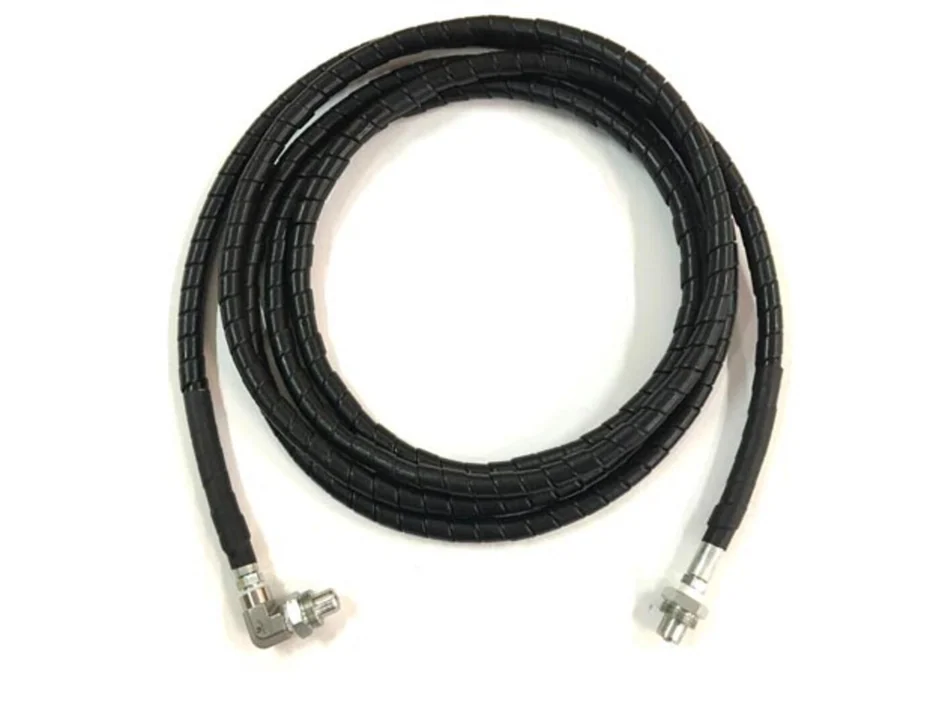
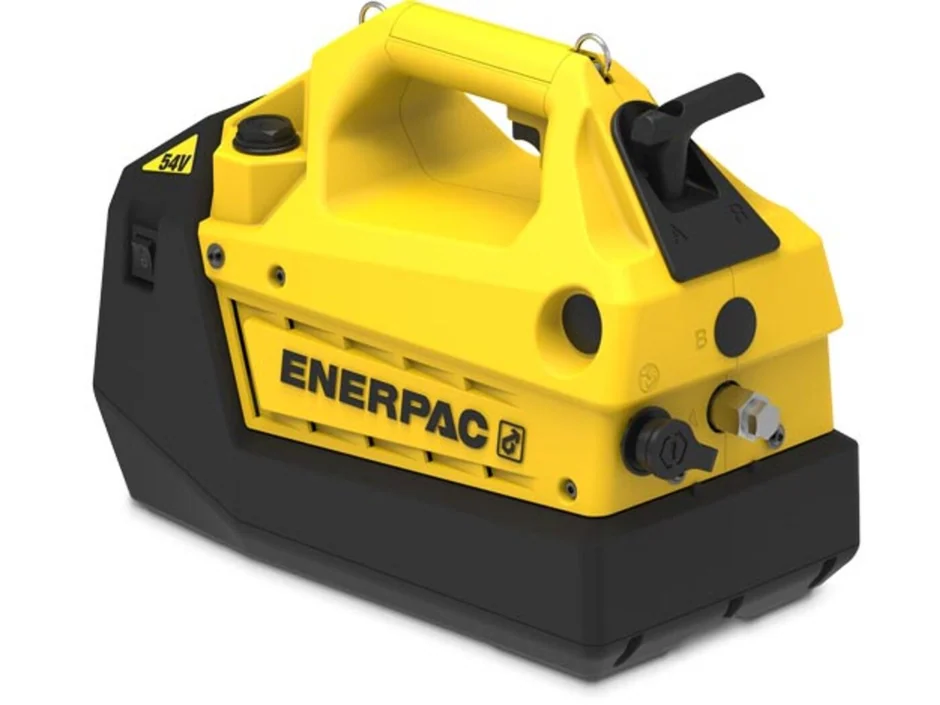
A rebar pull out test kit from WB Equipment includes everything needed on site: a center-hole hydraulic jack, a quick-acting rebar grip for your bar size, a reaction chair, a hand or electric pump, hoses and a calibrated gauge with its load chart.
Kits are available to rent for a single project or to buy for ongoing testing. Each jack and gauge is calibrated together before it ships, so test loads can be read directly and reported with confidence.
Where Is Rebar Pull Out Testing Required?
Pull out tests are specified wherever bars are bonded into existing concrete, including:
● Highway and bridge widening: testing dowels that tie new slabs to existing ones.
● Barriers and parapets: confirming anchored reinforcement.
● Tunnels and retaining walls: checking post-installed bars and soil nails.
● Building retrofits: verifying new reinforcement in seismic and structural upgrades.
● Quality control: sampling installed bars as DOT and project specifications require.
Each test takes only minutes, so crews can check a batch of bars and move on quickly.
Your Questions Answered - Rebar Pull Out Testing
What is a rebar pull out test?
A test where a center-hole jack and rebar grip pull an installed bar to a set load to confirm it is properly bonded into the concrete.
What equipment do I need?
A rebar grip, center-hole jack, reaction chair, pump, calibrated gauge or load cell and a dial indicator.
How long should epoxy cure before testing?
Follow the adhesive manufacturer cure time for the concrete temperature before applying any test load.
What load should the bar be tested to?
The test load is set by the engineer or specification, often a proportion of the bar yield or design load.
Is the test destructive?
Most tests are non-destructive proof tests. Destructive tests take the bar to failure and are only done when specified.
Why use a reaction chair?
It lets the jack bear on the concrete away from the bar, so the surrounding concrete is not confined and the test is realistic.
How many bars should be tested?
The specification sets the number, often a percentage of installed bars.
What causes a pullout test to fail?
Common causes are poor hole cleaning, insufficient embedment, voids in grout or epoxy and incomplete curing.
Can epoxy-coated bars be tested?
Yes, using special wedges designed for coated bar.
Is the gauge accurate enough?
Yes, when calibrated with the jack. For best accuracy, use a load cell with a digital readout.
Can I rent pullout test equipment?
Yes. Complete pullout test kits are available to rent or buy.
Is rebar pullout testing safe?
Yes, with trained operators. Keep people out of line with the bar and never exceed equipment ratings.
Authorised Enerpac & Simplex Distributor and Service Center
Call us now! 866-522-5464
Overnight 24 Hour
Next Day Delivery
Order before 3pm
Call for
detailed advice
and information
 Request a rental quote now!